
Denyai Tokpo, Two Ascents and One Attempt
India, Zanskar Region, Kishtwar Range
Alpinism, unpackaged and unpolished. Two friends, a set of cams, eight screws, a few pitons, and an ocean of unclimbed summits. No idea how to go up or down. Regaining the tent exhausted. Two new routes, one attempt, and countless laughs in the solitude of our kitchen tent. Searching for the spirit that continues to beat within us, surviving not only in our memories.
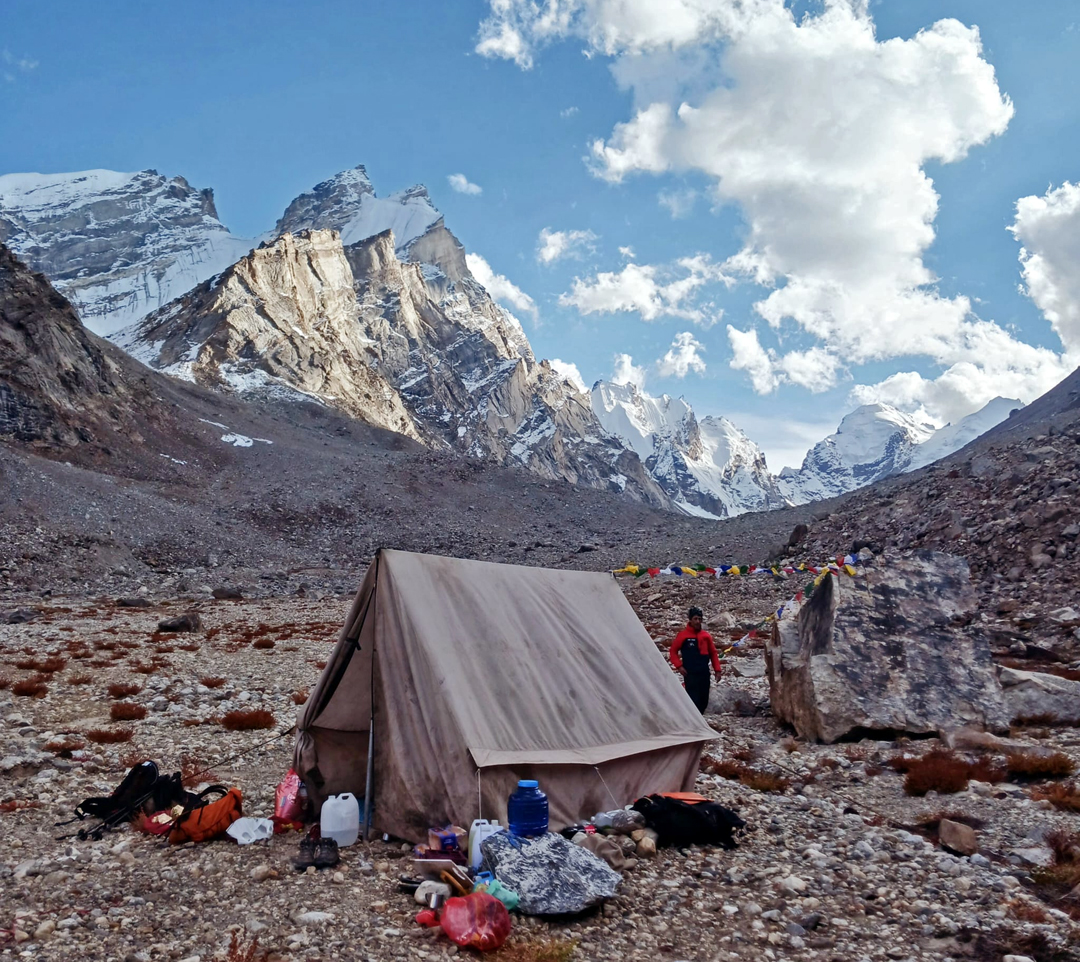
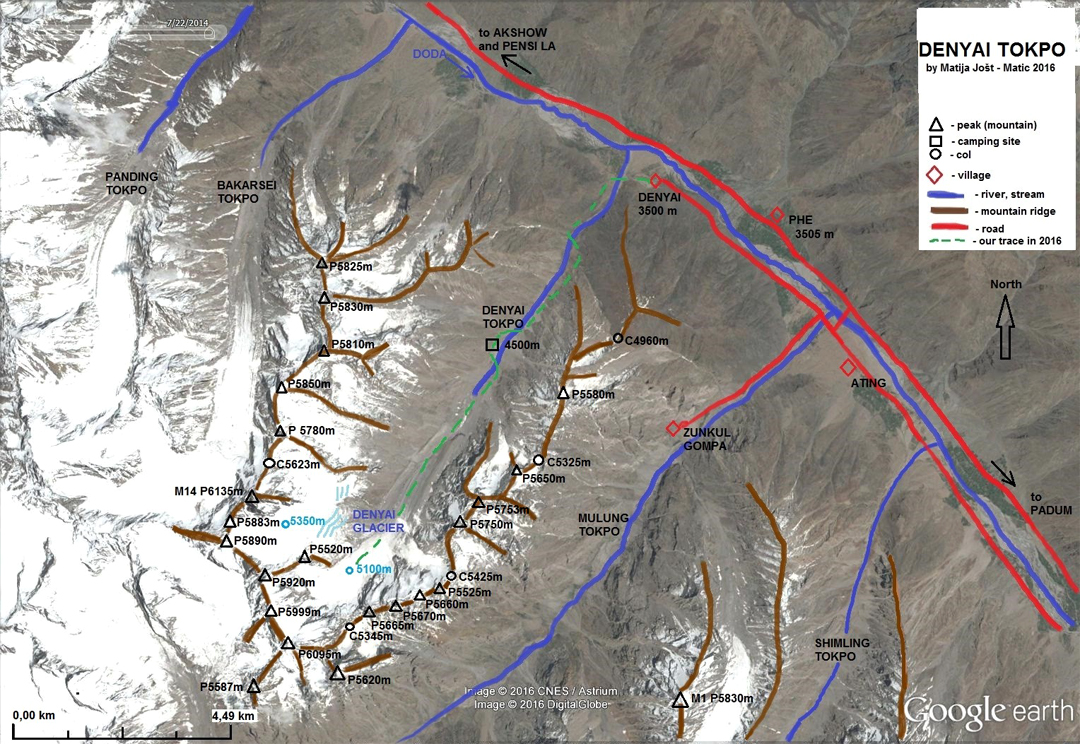
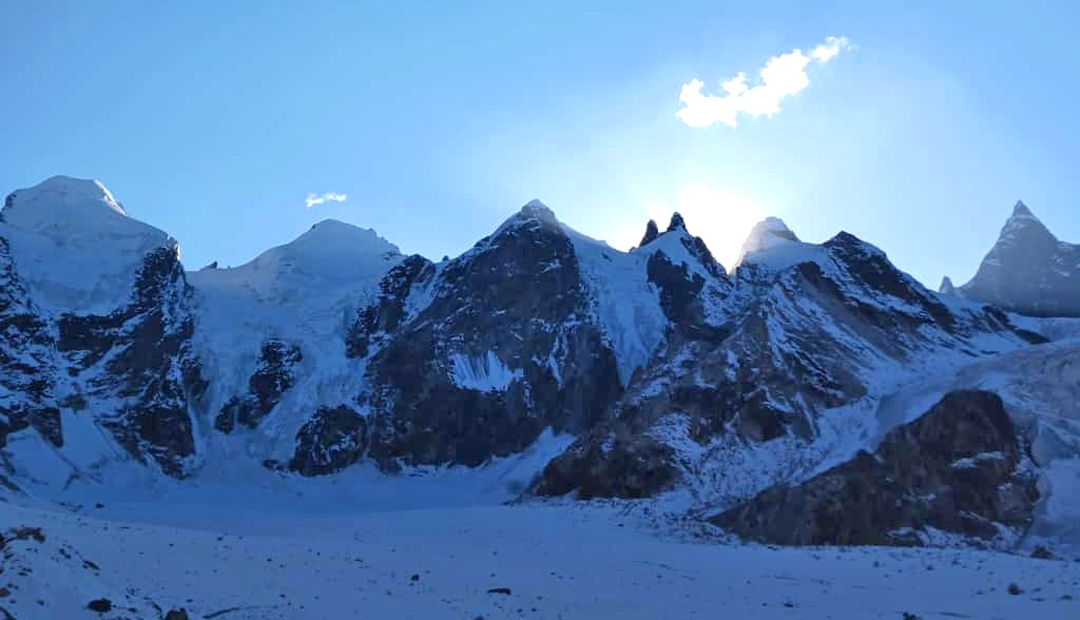
In late August 2025, a delayed, cold tail of the monsoon left the Zanskar region covered in a layer of snow—an inviting sight. In September, after acclimatizing up to 6,000 meters in Spiti, Alberto Urtasun and I established base camp in the Denyai Tokpo at around 4,500 meters. At the time, we believed the only previous climbers to visit this valley came in 2016, when Anastasija Davidova and Matic Jošt took many photos of peaks but did no climbing (see AAJ 2017). [In the weeks before the arrival of the two Spanish climbers, the Denyai valley was visited by a large Dutch team that completed many ascents; see their report here.] We stayed 15 days at base camp, planning to climb light and fast (10 to 12 kilograms maximum on our backs) in single pushes from camp.
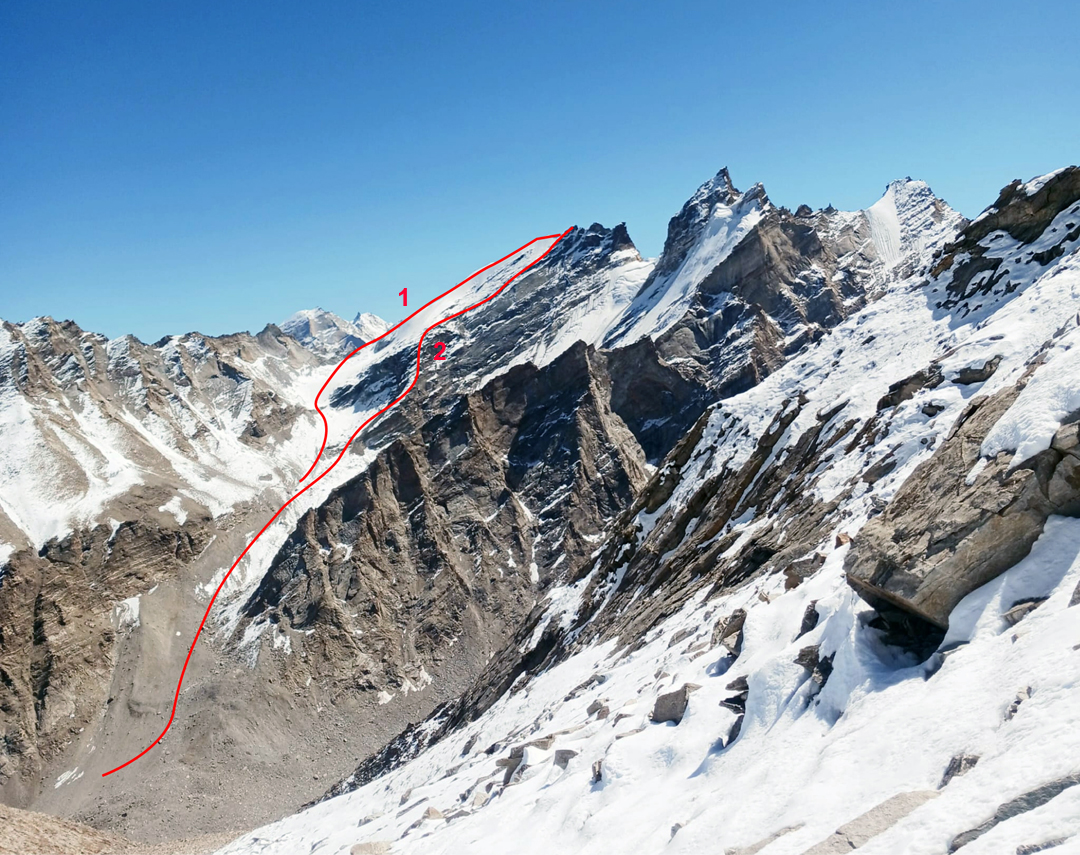
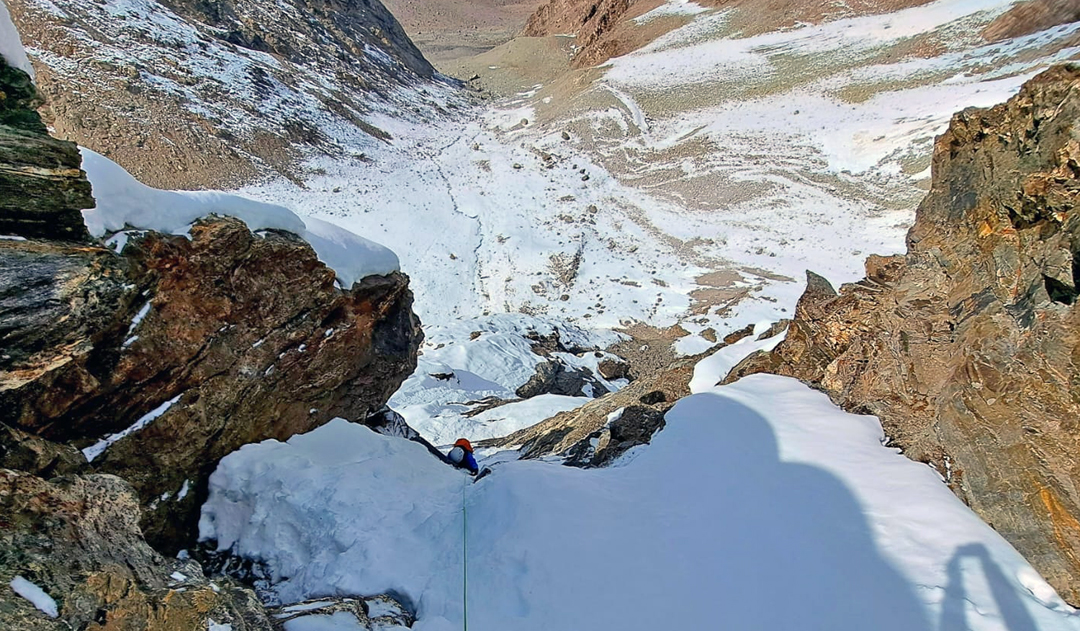
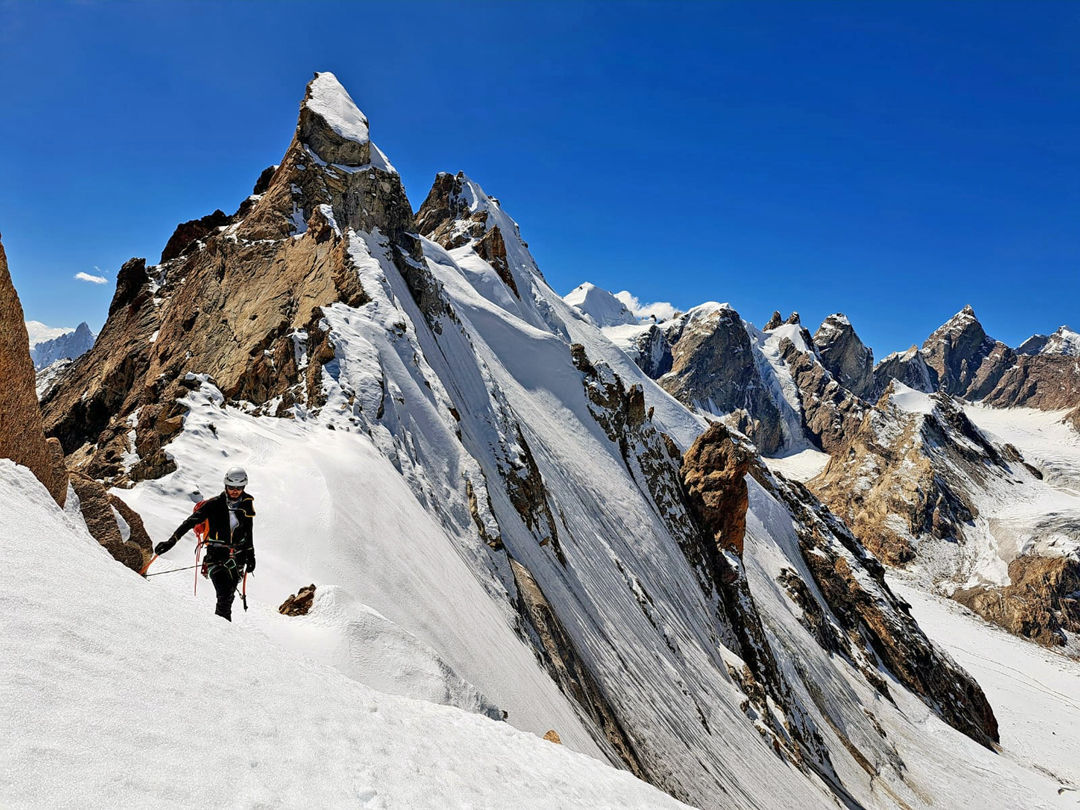
On September 19, we climbed the north face of a peak of around 5,700 meters at 33°33’55.97”N, 76°38’27.74”E, on the eastern rim of the valley. We named the route Lymca Dahl (800m, M5 WI4 55°) and completed it in ten hours, finishing via a long, mixed ridge with two technical pitches at the top. [This route is to the right of a line climbed by the Dutch, who named the peak Nochung Ri.] We descended the northeast ridge, downclimbing and making three rappels, and returned to camp about seven hours after leaving the summit.
We next attempted the east face of Peak 5,850m, on the west side of the valley at 33°35’21.91”N, 76°35’54.60”E. On the 23rd, we climbed for 500 meters before retreating around 150 meters below the top due to poor snow.
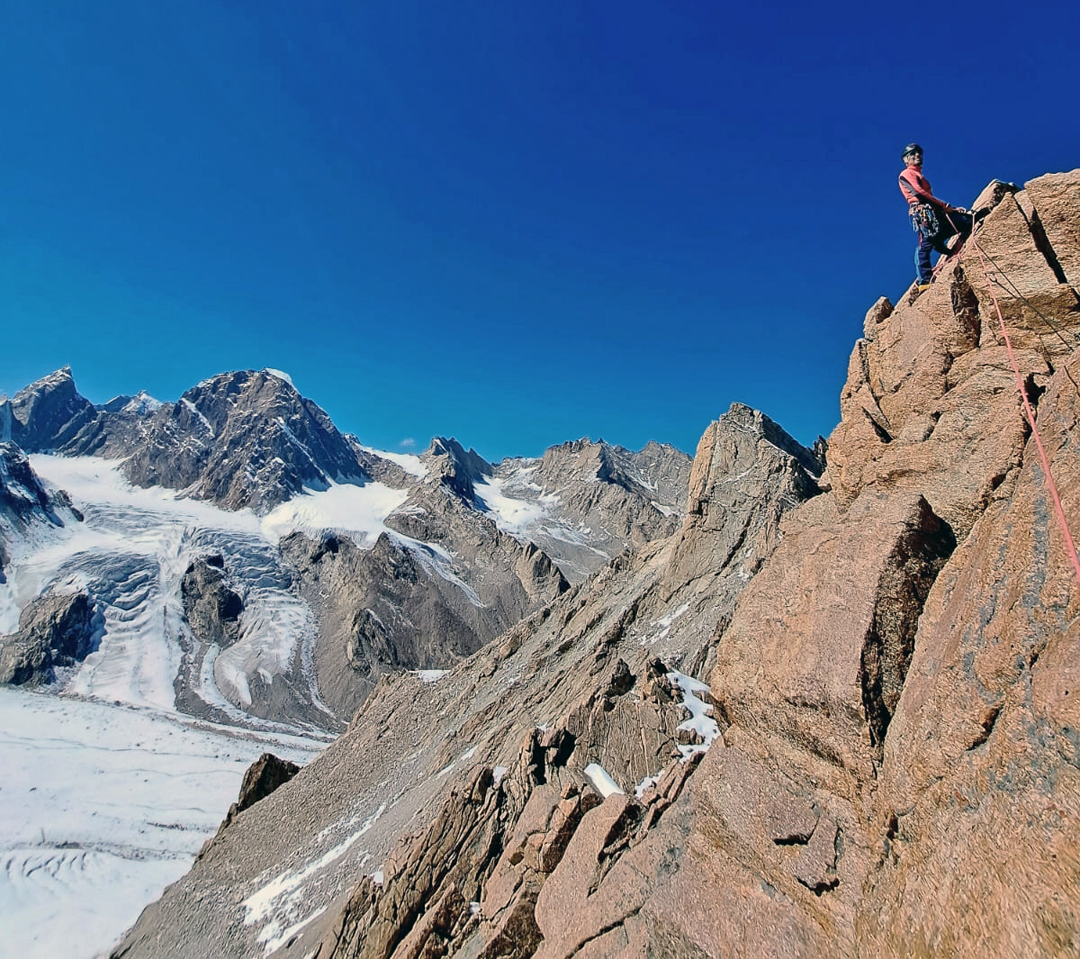
Finally, on September 27, back on the eastern rim, we climbed Peak 5,660m (33°32’53.83”N, 76°37’28.87”E), finishing up a spectacular granite needle. We named our route One Lakh (600m, UIAA IV 75°). The ascent took 7.5 hours and was made mostly unroped or with simul-climbing. From the summit, it took almost five hours to descend to camp.
The style in which we climbed, using much the same gear as in the Pyrenees or Alps, is the most rewarding for us. Although the weather was magnificent throughout our stay in September, the snow was of very poor quality. Nonetheless, we enjoyed every moment.
—Hector Sanmiguel, Spain/USA
Media Gallery