Zipper Fall — Broken Carabiner, Ground Fall
Kentucky, Red River Gorge, Indian Creek Crag
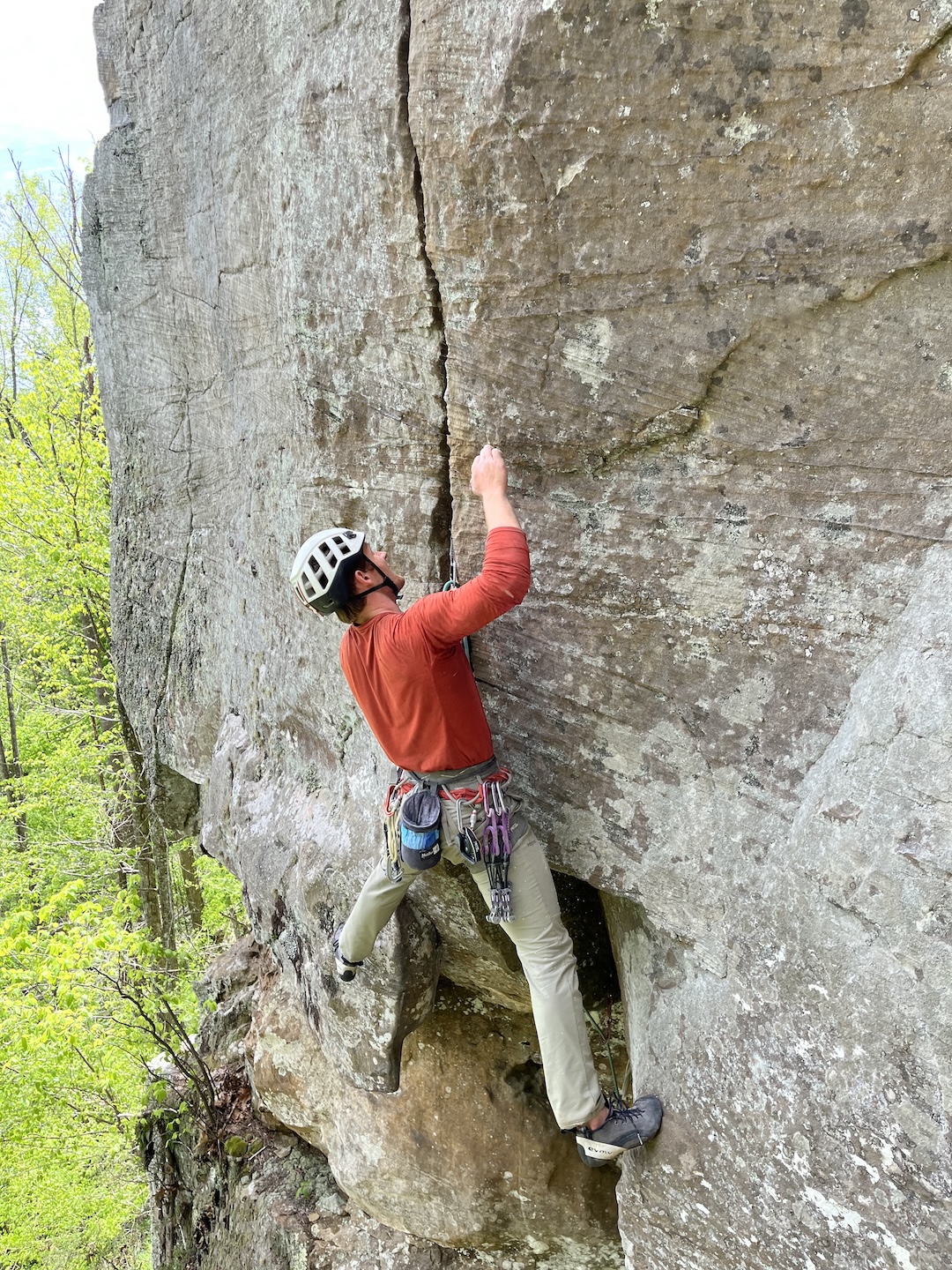
I had spent two sessions on Fibrulator Direct (5.11d) at the Indian Creek Crag with my climbing partner, James Fulton, top-roping the route successfully once and making two lead attempts. On April 27, I went for the redpoint.
The route takes thin protection—No. 0.5 Camalot Z4 and smaller—and the crux is only protectable with very small cams. On this attempt, I placed a few pieces low down, then from a rest at 30 feet up placed two No. 0.3 Z4s close together, equalized with an alpine draw that I clipped to the rope. A foot or two higher, I placed a No. 0.1 Z4 and clipped it directly to the rope—this was the piece that had held a lead fall on a previous attempt. This time, I climbed past the No. 0.1 to a stance and placed a No. 0.4 Z4. The placement was shallow but looked okay, and the terrain above was easy. About a body length higher, roughly 40 feet off the ground, I shook out on a good hold. When I moved up, the hold broke. I fell and hit the ground.
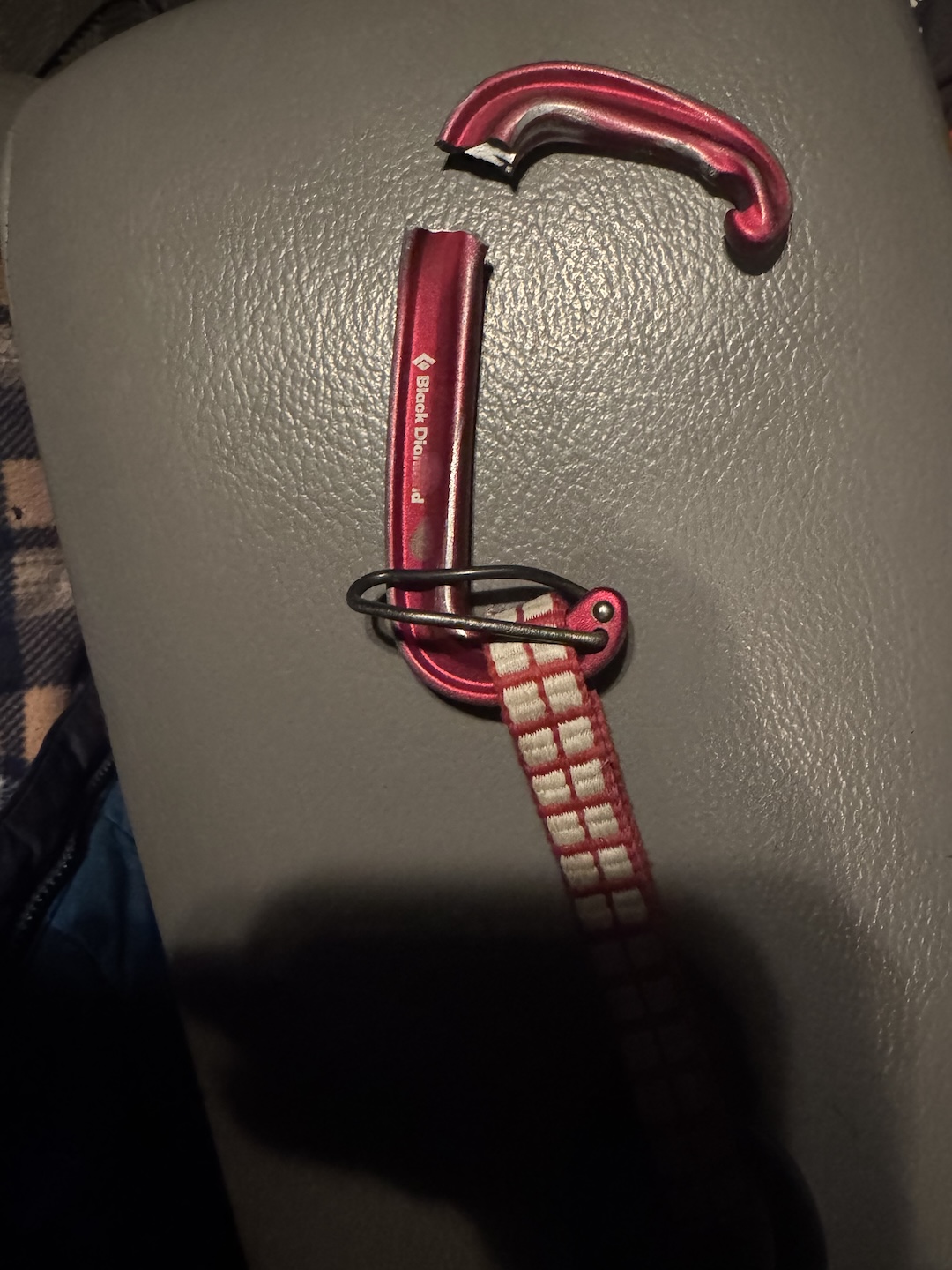
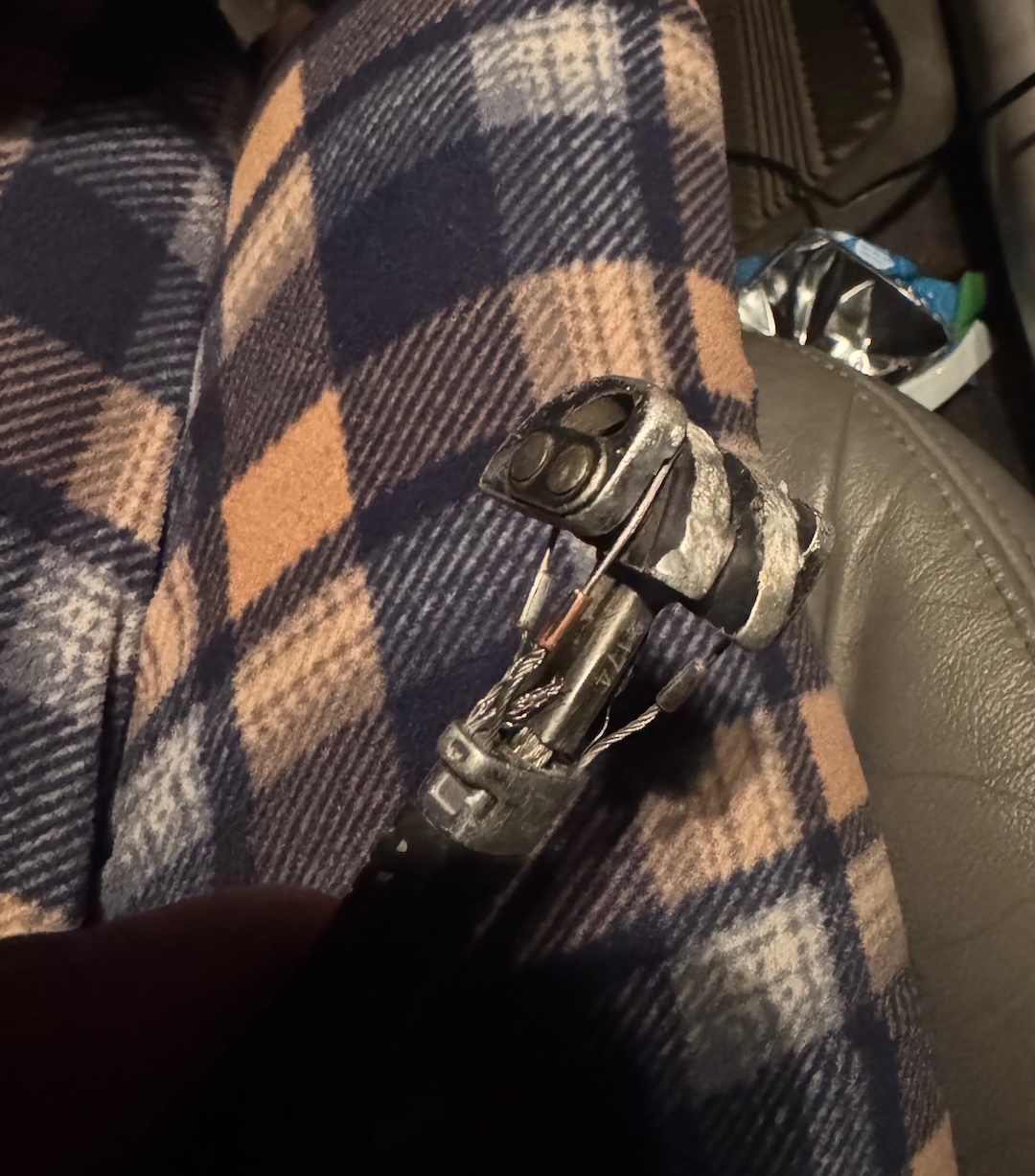
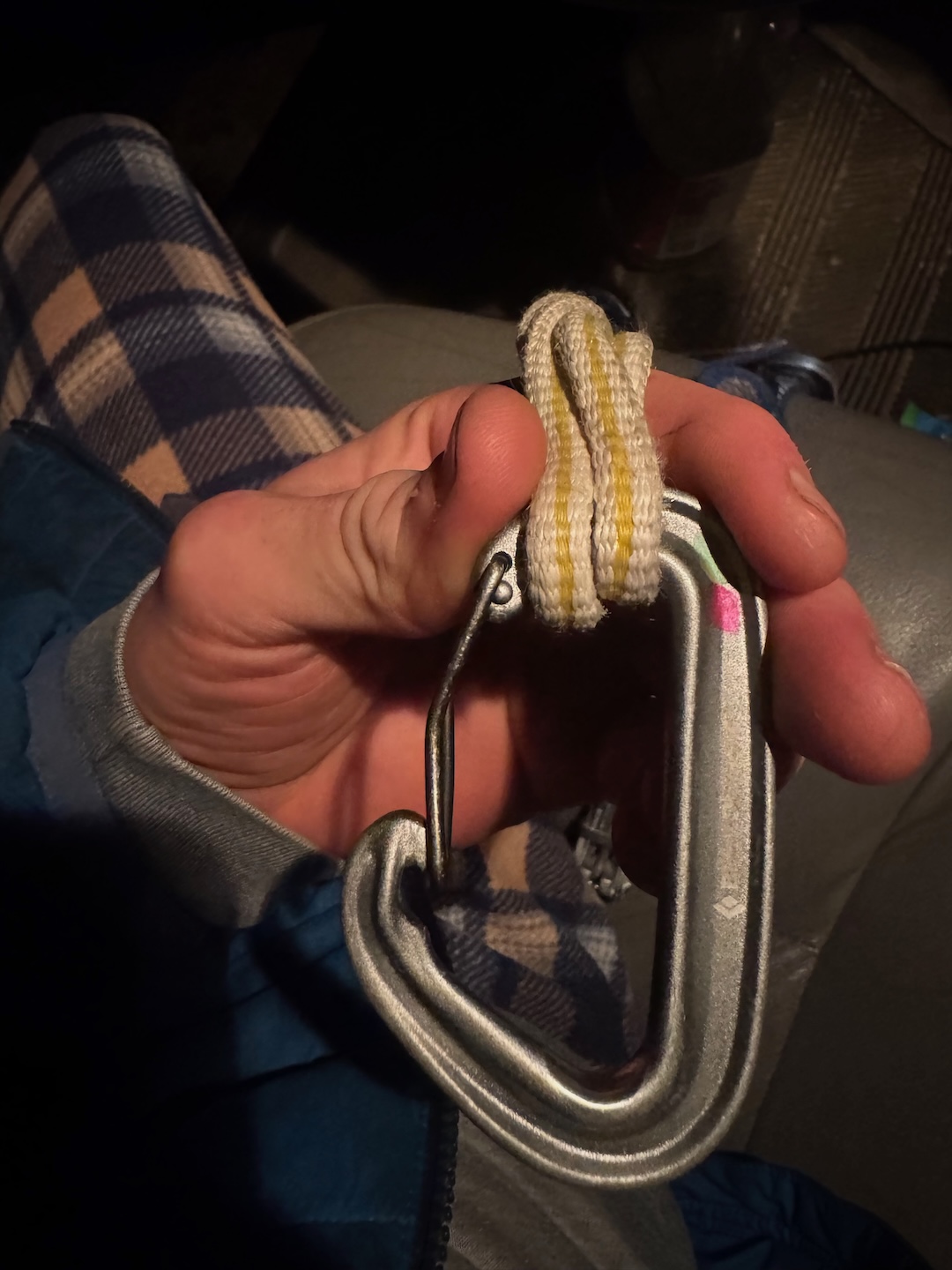
My top piece, the No. 0.4, had pulled and then somehow unclipped from the rope. When I examined it later, I found one of the cam lobes to be missing a small chunk. The No. 0.1 also pulled, and the carabiner connecting it to the rope broke. Finally, the alpine draw connecting the two No. 0.3s unclipped from the rope and the rope-side carabiner gate was bent, with one strand of the alpine draw’s webbing having unclipped from this same carabiner. The pieces below were intact and clipped but too low to catch me.
I sustained three cervical fractures and a large laceration to my left forearm. Another party at the crag went for SAR immediately. My friend Laszlo Reed, a Wilderness First Responder, dressed the laceration and ran a trauma and neurological assessment. My neuro exam was mostly normal except for tingling in my right hand. I am aWilderness EMT myself, and after an hour and a half of assessing and stabilizing, I decided to walk out with an improvised cervical collar fashioned from my puffy jacket and a big-wall harness. The trail to Indian Creek is steep and narrow, and I judged that a litter carry would be as hard on my cervical spine as walking out with assistance. James and Laszlo helped me walk the three-quarters of a mile down the trail to meet the Wolfe County SAR team, who drove me to the parking area and a waiting ambulance.
ANALYSIS
I was wearing a helmet, which was cracked and dented after the fall. One takeaway for me is to take extra time placing gear from rests, even when the terrain above is not strenuous. Had I taken time to place a better top piece, the fall I took after breaking the hold might have ended well above the ground.
The handhold itself was a chalked finger jug with shoe rubber—I’ve used it a lot before and seen others use it. A light rain the day prior may have made the sandstone more brittle, and I probably pulled a little harder than normal because I was trying to climb fast to give someone else a turn on the route; plus, I’m a heavier climber (185 pounds).
I also think the rope’s erratic movement when a piece fails was a huge factor in this accident. In the future, I’ll use a locking carabiner on critical pieces below crux sections or runouts. A locking carabiner at these crucial points could make it so the rope can’t come unclipped. [Editor’s Note: While gate chatter or gate flutter is an uncommon phenomenon, there are two ways it can occur: Carabiner gates can flutter open when the carabiner violently bangs against the rock, or they can open simply from vibrations created when arresting a fall; see ANAC 2015.]
Another lesson is to place gear when you can, even if the terrain is easy. There was a spot on this climb where I could have placed an extra No. 0.3 up. Instead, the cam was at the base—I hadn’t brought it up because the climbing in that section was less difficult for me. (Sources: Harrison Ogle, Mountain Project, and Wolfe County Search and Rescue.)
Media Gallery