
Barmal Glacier: A Forgotten Trek and Unclimbed Summits
India, Kashmir
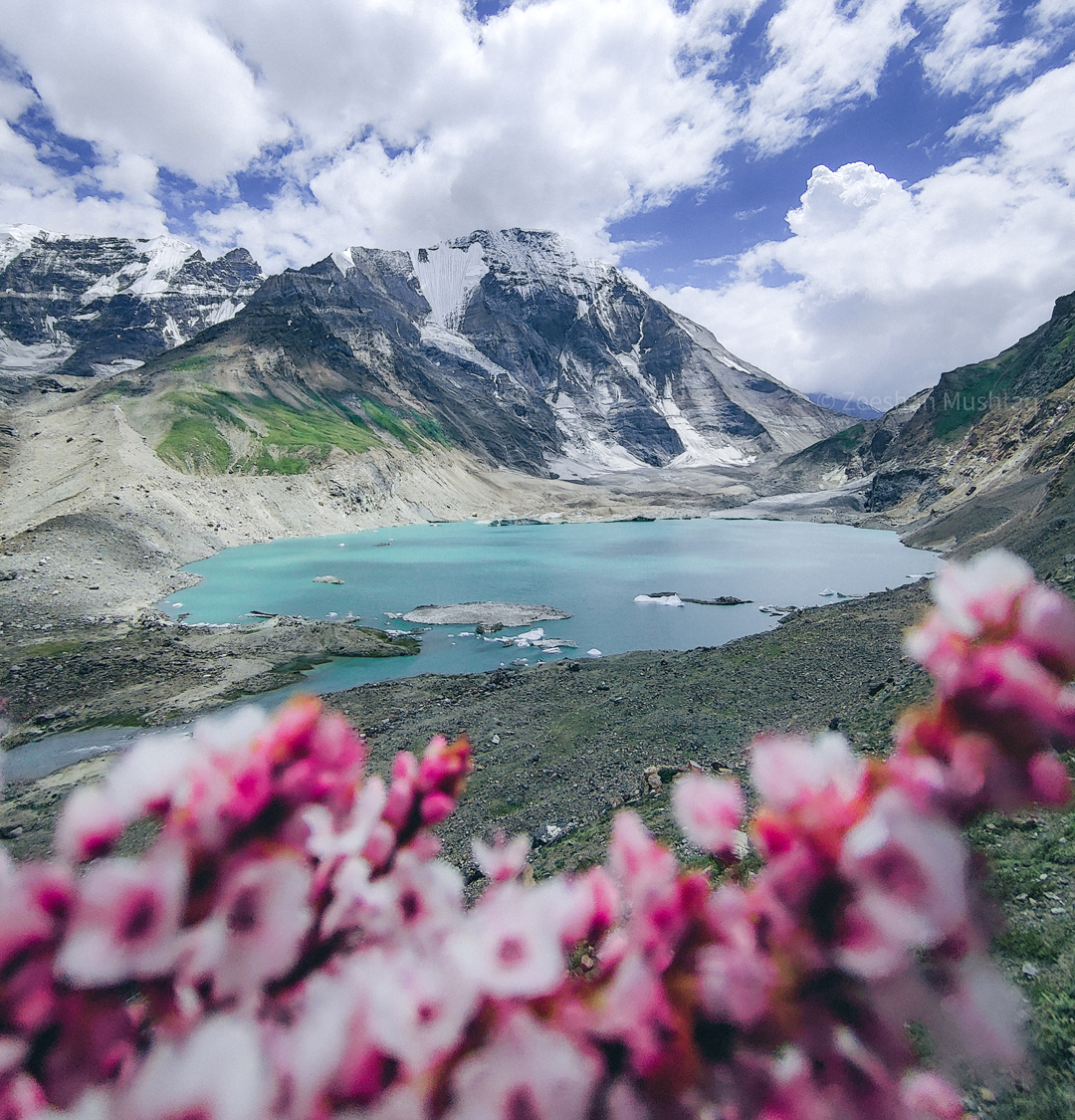
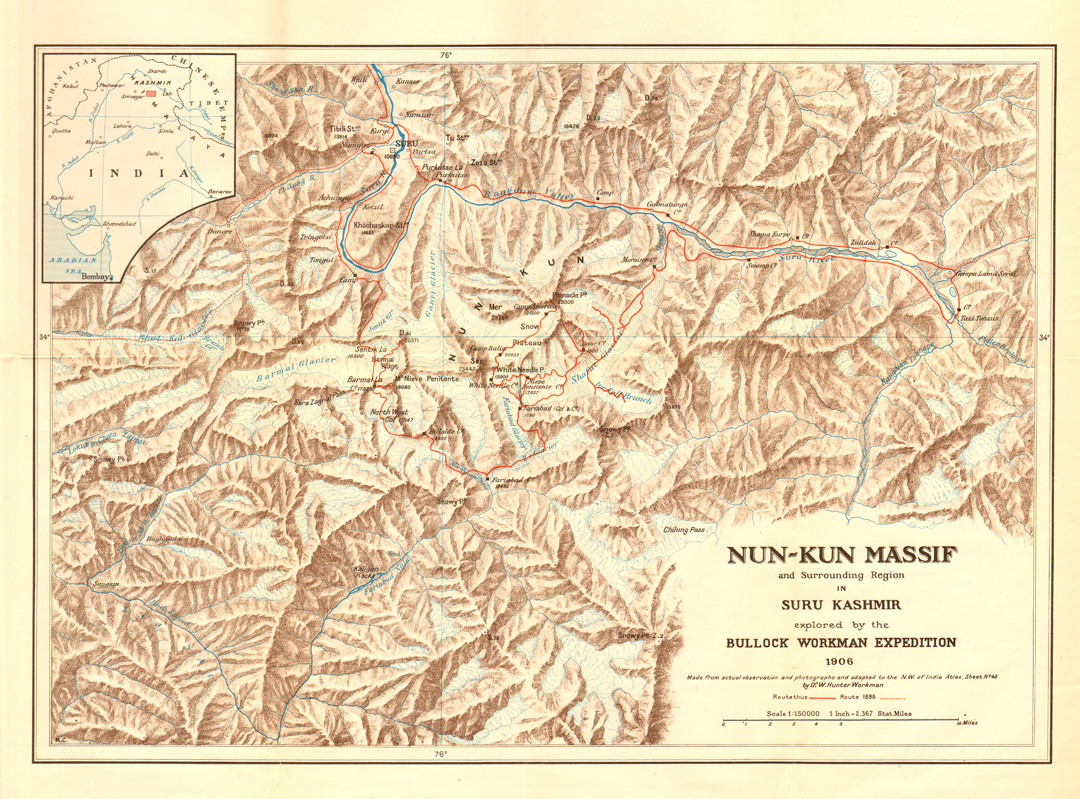
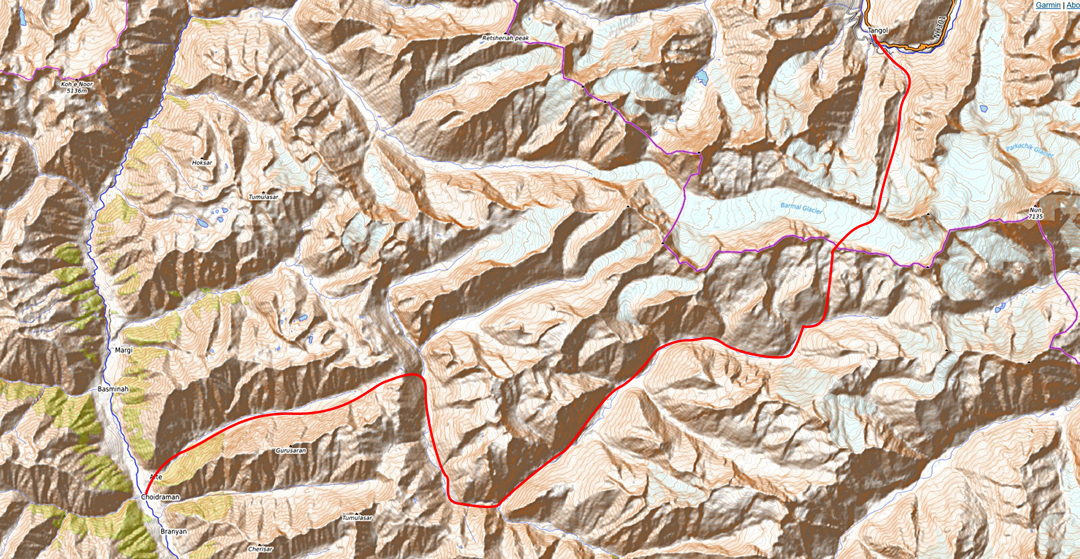
Over five days in August 2024, Yuvaraj Jothi, Zeeshan Mushtaq, and Vikram Raman followed an ancient trekking route from the Warwan Valley in Kashmir to Tangol in the Suru Valley of Ladakh. They started from the village of Mungli, crossed Tramsar Pass to gain the start of the Jabbal Nala, and after reaching that valley’s head, they crossed Bara Zagnai Pass and the upper Barmal Glacier, then over the Sentik La, west of the great peaks of Nun and Kun, to descend to Tangol.
This exact route was followed in reverse well over a century ago, in 1902, by the Rev. C.E. Barton and Dr. Arthur Neve, a long-time medical missionary and prolific mountaineer in Kashmir, but their trek has been largely forgotten. Americans William Hunter Workman and Fanny Bullock Workman also traveled part of this route during their exploration and climbing in this area in 1906.
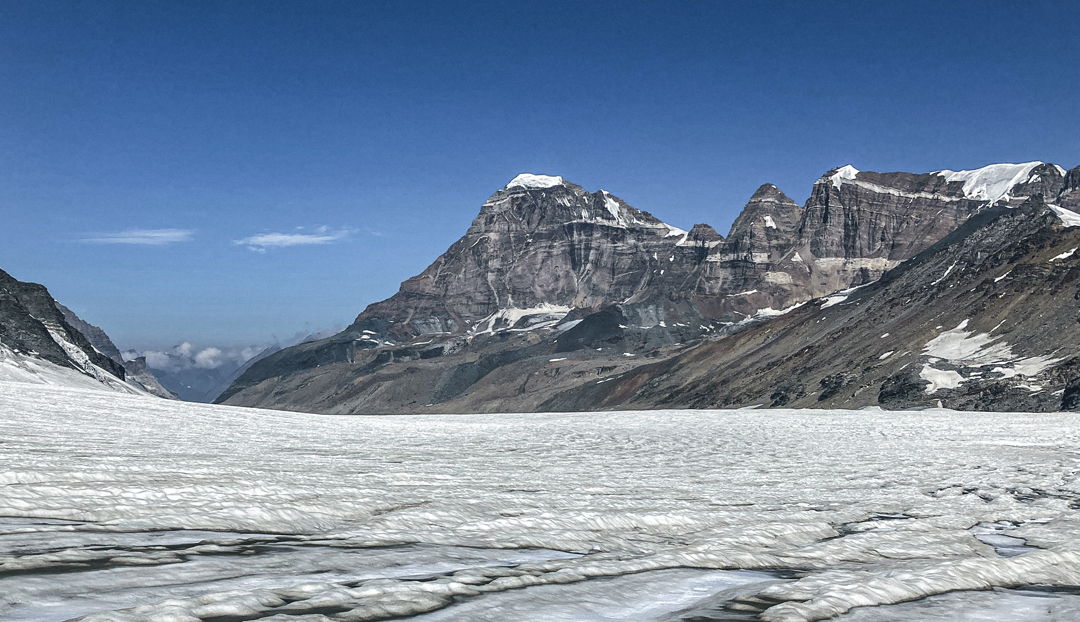
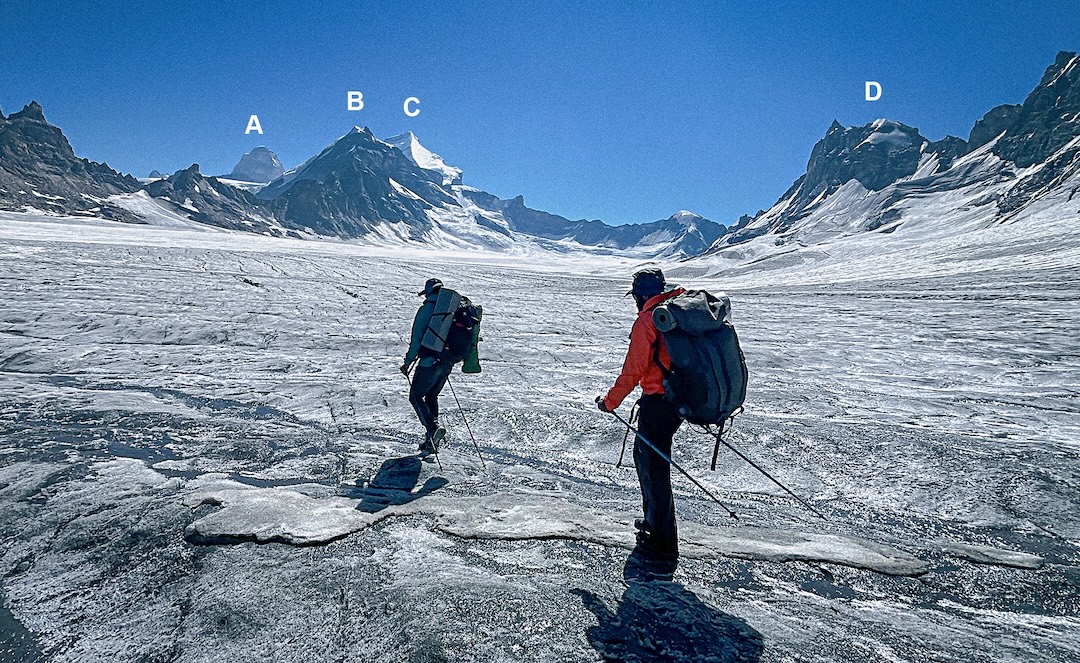
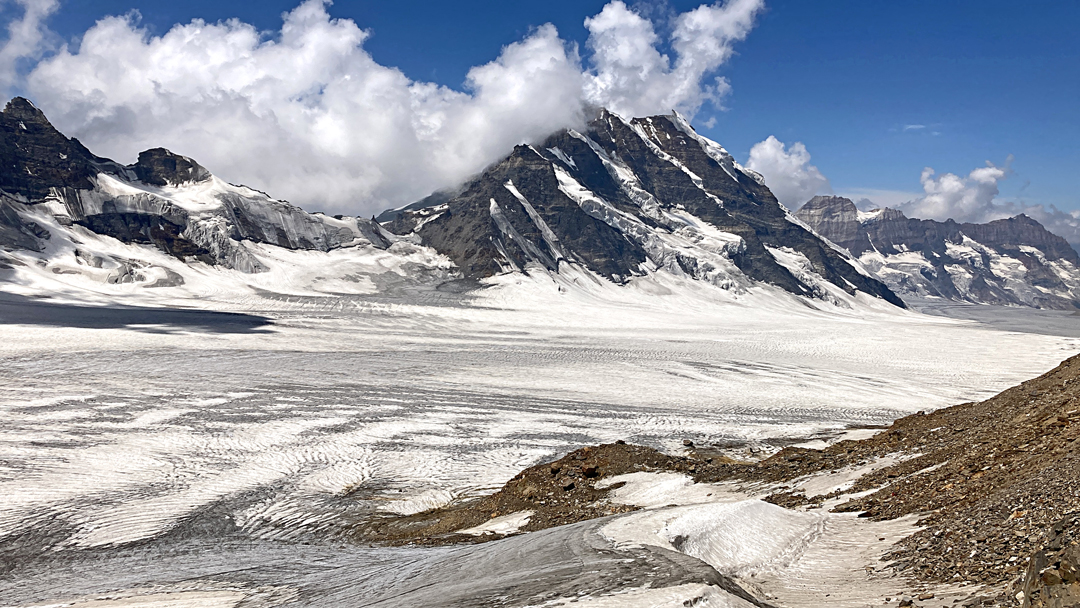
Between the Bara Zagnai and Sentik passes lies the expanse of the largely flat upper Barmal Glacier. A number of 5,500-meter to 6,000-meter peaks around the glacier rim appear to have no documented ascents: Snowy Peak 10 (ca 6,040m), D 42 (ca 5,750m), and South Barmal Peak (ca 5,600m).
A photograph of the large and impressive north face of Snowy Peak 10 appears in AAJ 2016, where it is noted that its name might be “Babang.” However, the name Bobang had been given decades ago to a 5,334-meter top northwest of Snowy Peak 10, above the easily accessed Chelong Valley; it was climbed in 1936 by a British team, led by E. Gueterbock, starting from the East Bobang Glacier to the north.
Adding to the confusion, a higher mountain to the southeast of the 1936 summit now has the official name of Bobang. In 1981, a British expedition climbed this 5,666-meter peak from the East Bobang Glacier, likely traversing over the same top reached by the 1936 party. The name Bobang for the 5,666-meter peak was confirmed at the time by the IMF, from whom the expedition had sought a permit. An Indian team may have repeated the ascent in 1993. [An abridged version of Zeeshan Mushtaq's full report on this expedition is available for download here.]
—Lindsay Griffin, AAJ, from information provided by Damien Gildea, Australia, and Zeeshan Mushtaq, India
Media Gallery