
Monto II, III, and IV
India, Ladakh, Rupshu Region
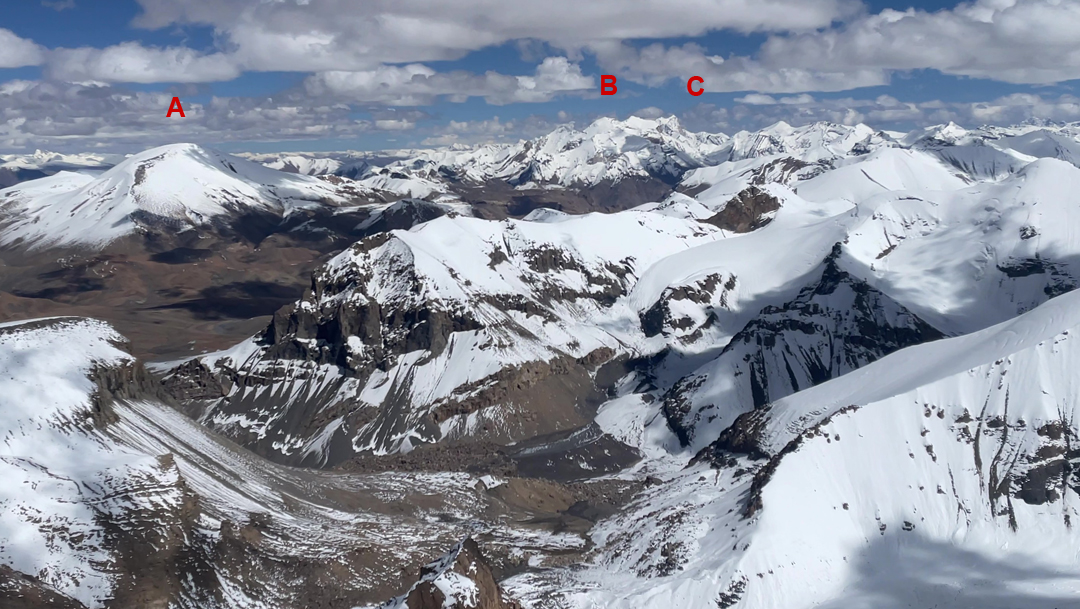
In August and September 2023, an Indian expedition explored the Monto Group from the east, the first team known to do so. Unable to reach the highest summit, Monto I, they turned to an easier peak farther south and reached the top (AAJ 2025). This left not only Monto I unclimbed, but also three more 6,000-meter peaks, Monto II, III, and IV, which lie on a ridge running north-northwest from the main top.
In September 2025, 11 climbers from the Sonarpur Arohi Club, Kolkata, led by Rudra Prasad Halder, planned to attempt these peaks, this time approaching via the Lingdi Nala to the west, a valley thought to be previously unvisited by mountaineers.
The expedition started with the same approach as the 2023 team, trekking from the end of a rough road southwest of Tso Moriri (lake), as far as the 2023 base camp at the junction of the Lingdi Nala and Aiya Paiya Nala (32°49’08”N, 78°04’58”E). From there they moved west, then south, to establish a base camp at 5,100 meters in the upper Lingdi valley, and an advanced base at 5,350 meters.
They then were hit by a very long snowstorm (which caused devastation in nearby Himachal Pradesh) and were unable to leave their tents for around six days. When the weather finally cleared, the climbers began exploring routes toward the Monto peaks. In this, they were hampered because detailed maps were not available due to the proximity of this area to China.
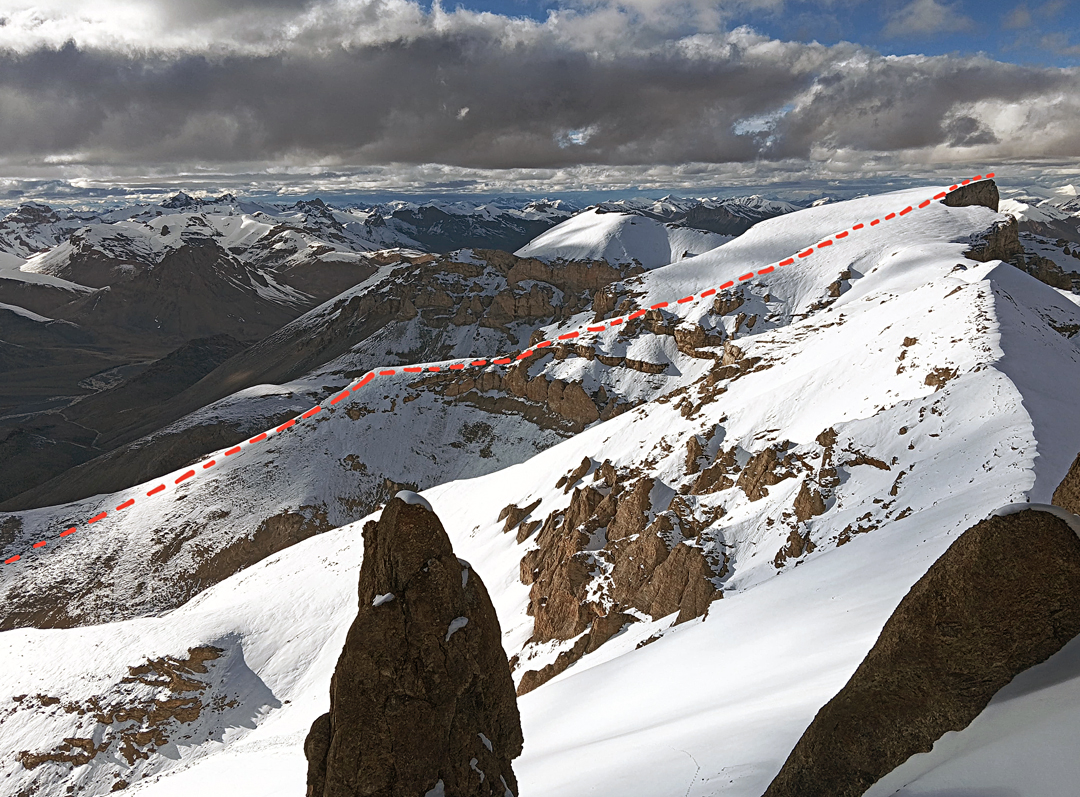
On September 5, Debasish Majumdar, Naitik Naskar, Satyarup Siddhanta, and Anirban Talukdar made the first ascent of Monto IV (6,030m, 32°41’16.11”N, 78°2’7.28”E, the most northerly of the Monto peaks), following a southwest spur to arrive on the summit late in the evening. They returned to base camp around midnight the same day. The next day, Tuhin Bhattacharyya, Soumya Kanti Biswas, Rudra Prasad Halder, Bhaskar Halder, Niranjan Paul, and Wrik Raj Roy repeated the ascent.
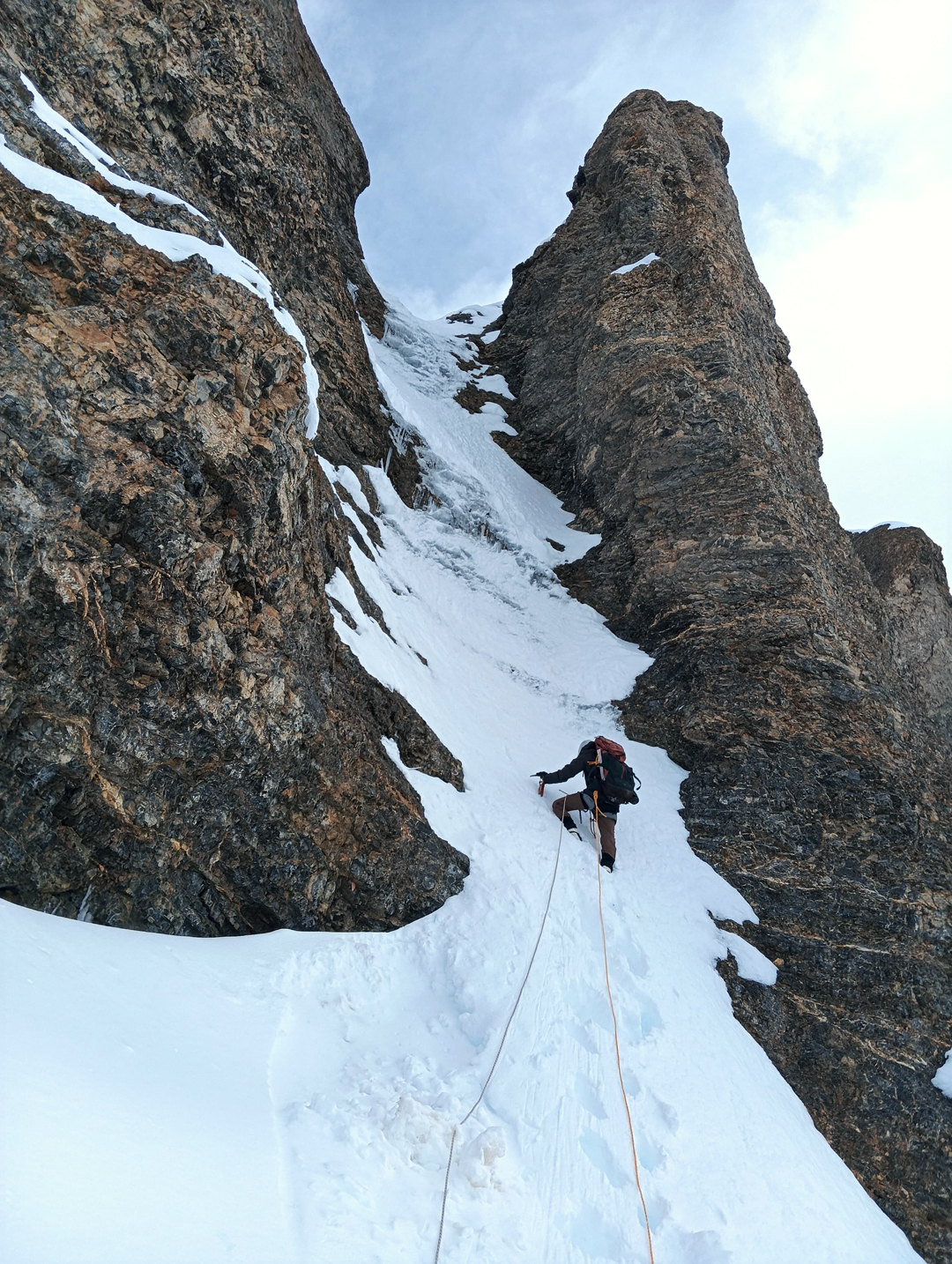
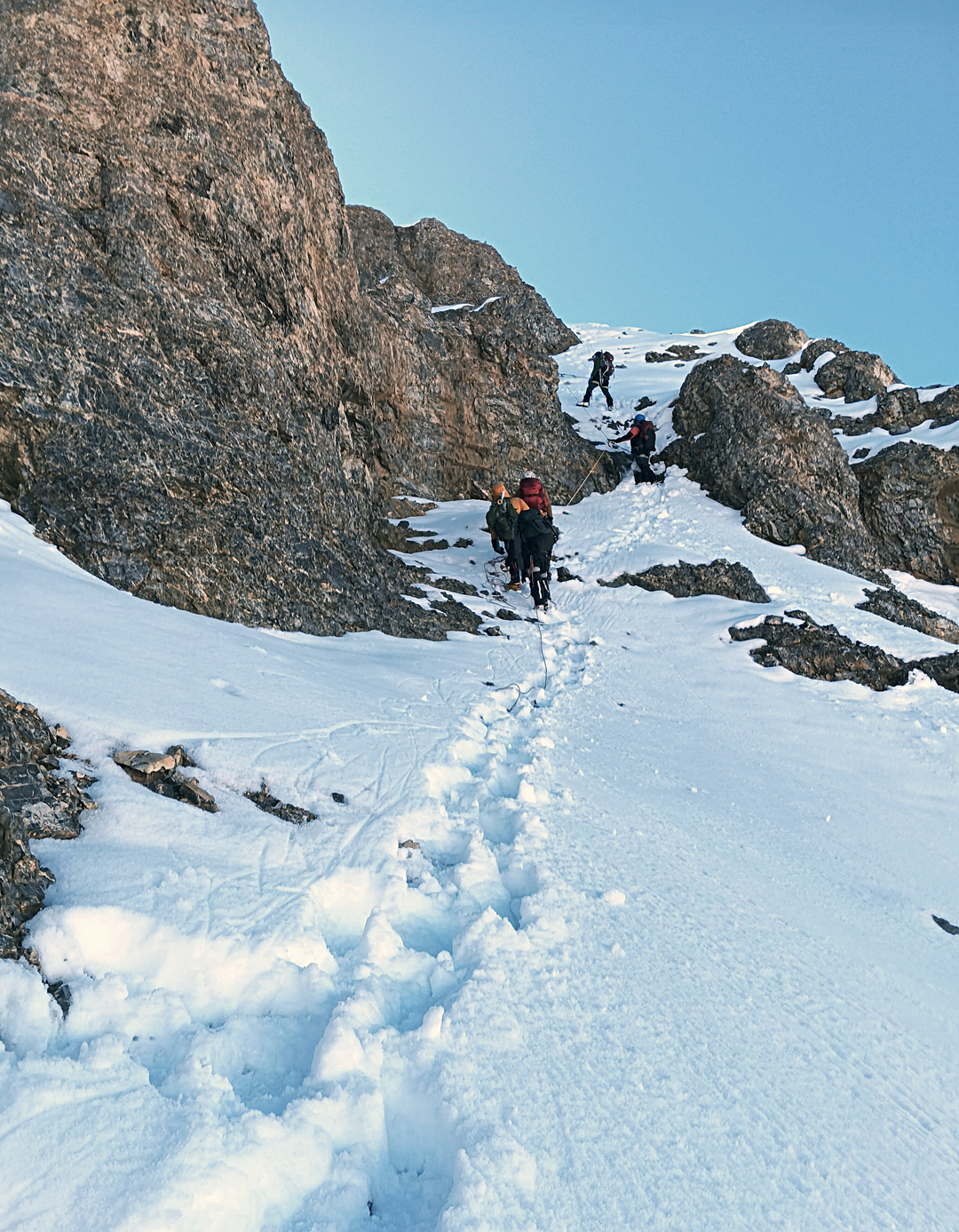
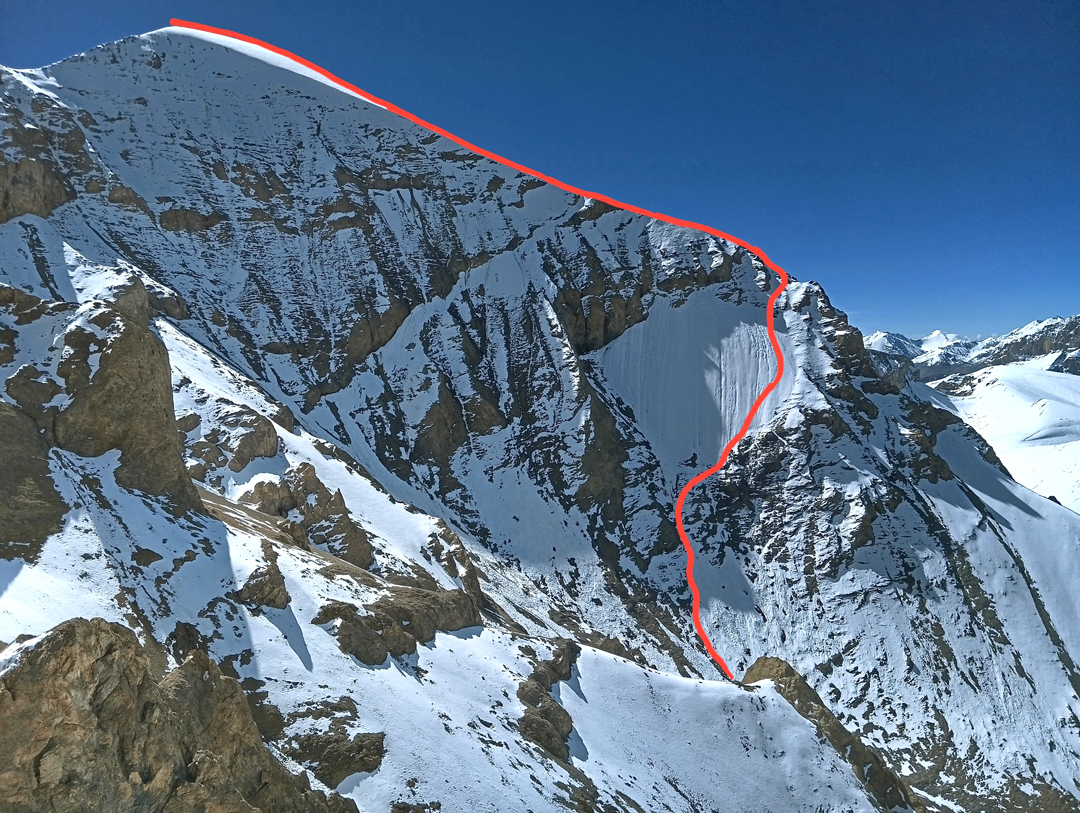
On September 9, the climbers worked on a more technical route toward Monto II (6,320m, 32°39’17.47”N, 78°2’35.60”E), via the northwest face and west ridge. They left ropes fixed on a little over half the face. On the 10th, Bhattacharyya, Biswas, the two Halders, Majumdar, Naskar, Roy, Siddhanta, and Talukdar fixed more ropes en route to the summit. The GPS showed about 6,250 meters, 70 meters lower than the official height. The summit was adorned with a large cairn, despite there being no documented prior ascent.
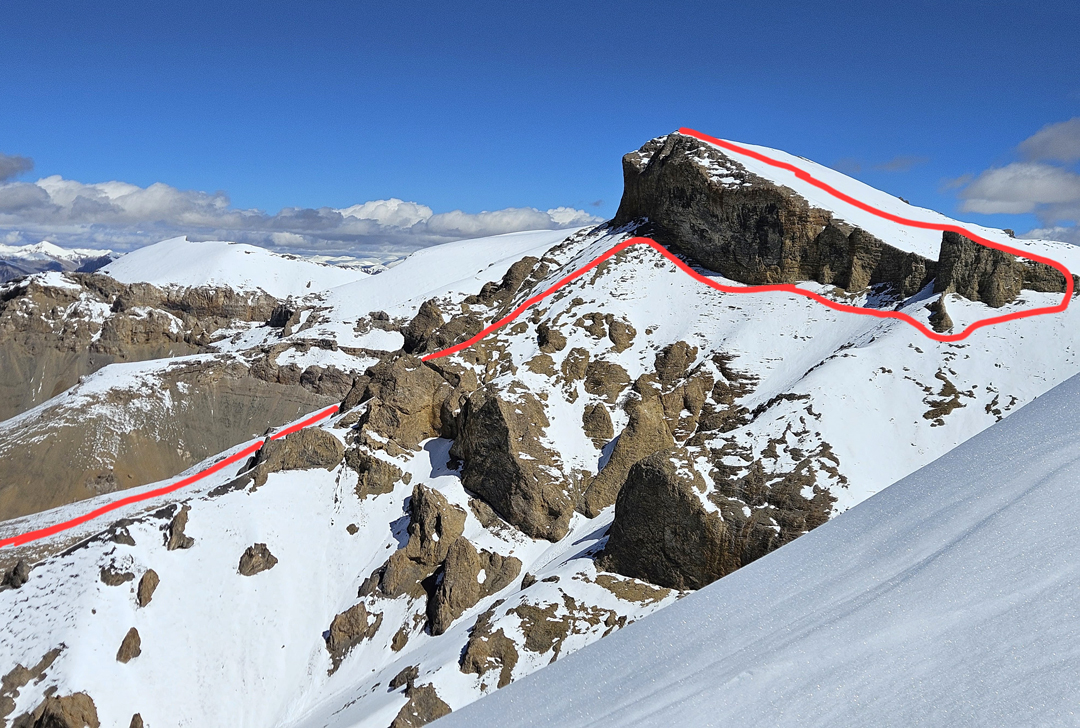
On the 12th, the final day of the expedition, Rudra Prasad Halder, Majumdar, and Naskar climbed the west spur of Monto III to a vertical, 100-meter-high rock band, where they made a long rightward traverse to reach the south ridge, which they followed to the summit (6,050m).
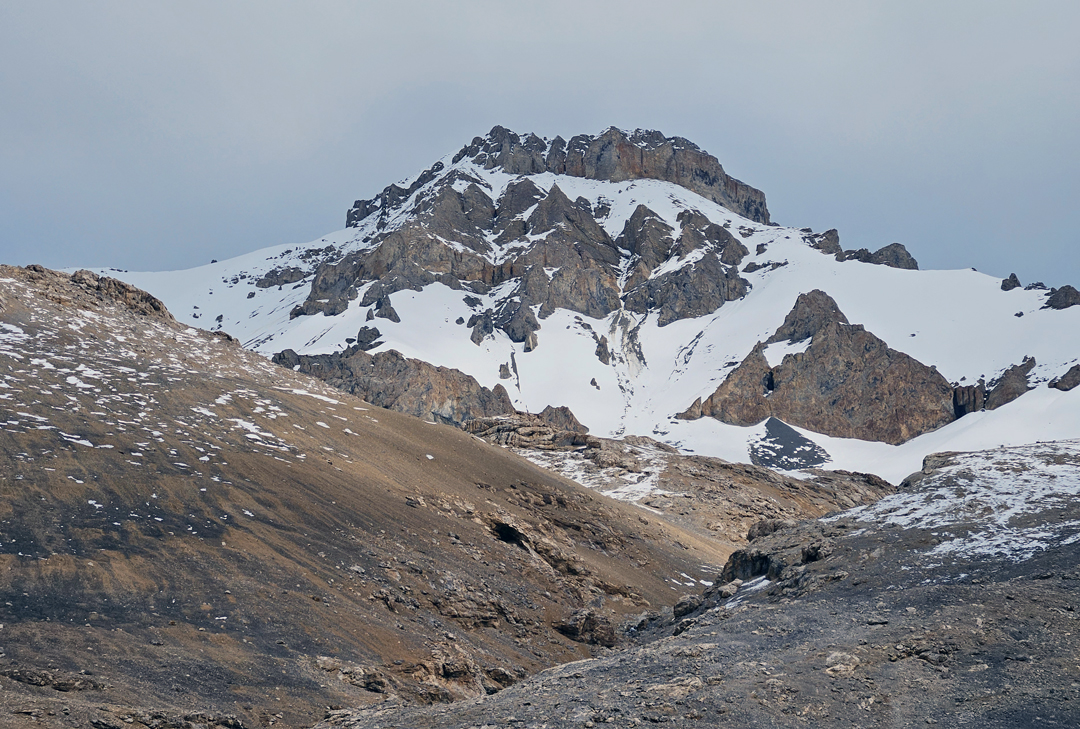
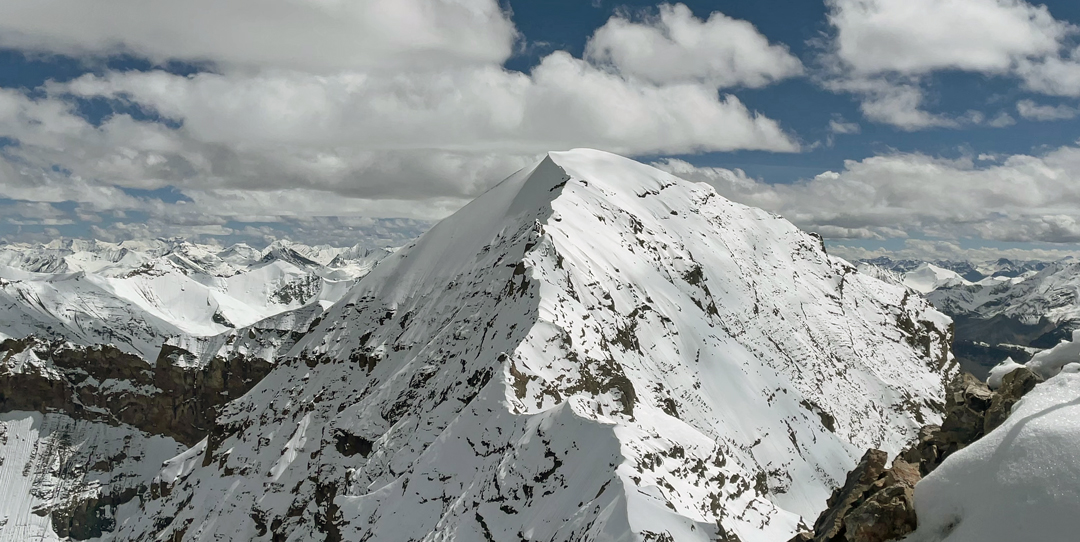
It appeared that any route to Monto I (6,331m, 32°38’42.92”N, 78°2’47.95”E) from this valley would be challenging.
The expedition also collaborated with students from the village of Korzok (4,600m) to clean up the shores of Tso Moriri and distribute educational supplies and clothing to children. All nondegradable waste generated during the expedition was brought down to Korzok and delivered to the municipal garbage system.
—Lindsay Griffin, AAJ, with information from Rudra Prasad Haldar and the Sonarpur Arohi Club, India
Media Gallery