
Fatal Fall — Descent on Bicycle
Mexico, Puebla, Pico de Orizava (Citlaltépetl)
On February 12, David Ernesto Villarreal Pérez (27) of Monterrey, Nuevo León, died on Pico de Orizaba (18,491 feet) after losing control of his mountain bike during a planned descent from the summit. Villarreal and his companion, Brandon Arturo Pérez Guerrero (28), had begun climbing with support from a local guide service up to El Refugio at the 14,000-foot mark. Beyond that height, the pair continued on their own and summited sometime midmorning.
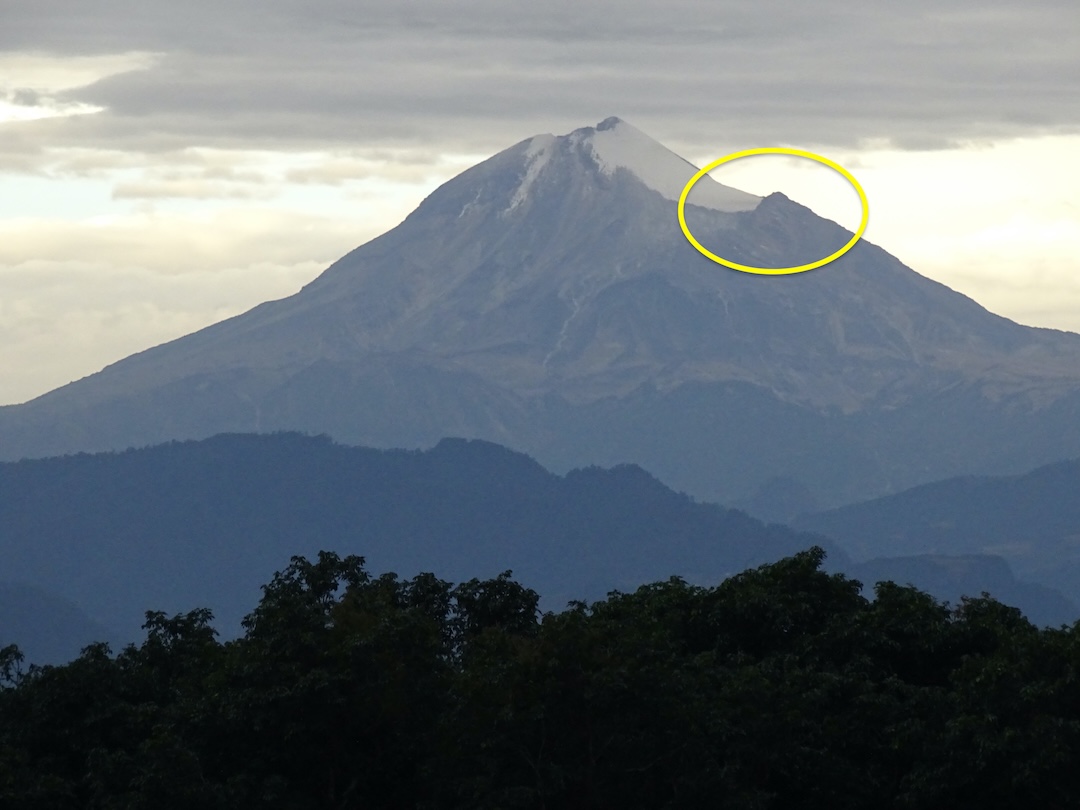
On the descent, riding his bike in a steep, rugged section at 16,700 feet called El Sarcófago (“The Coffin”), Villarreal lost control and fell. He sustained multiple fractures and severe head trauma. He lost consciousness at the scene, and Pérez Guerrero called 911 at noon.
Adverse weather and rugged terrain ruled out helicopter evacuation, so rescue operations were conducted on foot. Rescue teams—including the Alpine Relief Group and Orizaba Mountain Guides—required more than six hours to reach the pair. Rescuers found Villarreal alive at 7:30 p.m. Unfortunately, the climber died during the descent around 8 p.m., roughly eight hours after the fall.
ANALYSIS
Villarreal was a content creator, and the Orizaba bicycle descent signaled his comeback to social media after a one-year hiatus. It’s not known what effect publicity had on his choice of objective. Villarreal had previously tasted digital success in 2020, after spending one month on Orizaba’s summit, a stunt picked up by Mexican national media and circulated widely on social media.
A bicycle descent of a glaciated 18,500-foot volcano is clearly problematic. The accident site, El Sarcófago, is on the upper north face at the point where exposed rock meets the upper glacier. These zones pose severe consequences for any error.
News sources said the fall itself was survivable; what proved fatal was the combination of serious trauma at extreme altitude and a rescue timeline that was measured in hours rather than minutes.
The decision by Villarreal to continue above El Refugio without guide support placed him and Pérez Guerrero well beyond rescue resources. It isn’t known if the pair was speeding to the summit to duck the incoming bad weather or even if the presence of guides would have changed the outcome. (Sources: Alpinismonline.com, El Sol de Puebla, ABC Noticias, and Milenio.)
Media Gallery