
Fatal Fall
Mexico, Estado de México, Iztaccihuatl
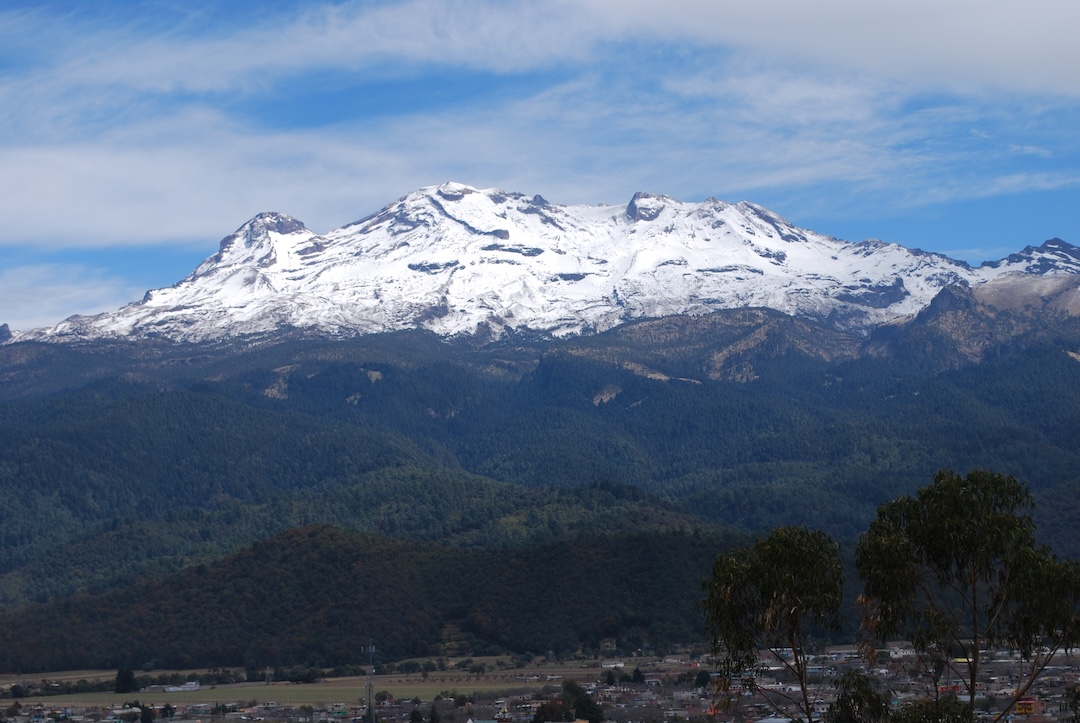
On December 21, Roberto Montoya Muñoz (28) died after falling on Iztaccíhuatl (17,159 feet). He and three companions had started climbing a day earlier.
The accident occurred on La Arista de la Luz (“The Ridge of Light”). This is a serious multiday undertaking versus the usual day climbs on Mexican volcanoes. The climbers were at the route’s most technically demanding section, at 14,100 feet, where the climbing involves mixed rock and snow on an exposed ridge requiring crampons, ice axes, and route-finding skills.
At that point, on December 21, Montoya fell a reported 165 feet into a ravine. His companions found a cell signal and alerted rescue personnel at 11:13 a.m. The recovery operation began at 4 a.m. the next day. Montoya’s body was discovered at 12:45 p.m. on December 22 and recovered over the course of the afternoon/evening. The operation was completed in the early hours of December 23.
ANALYSIS
La Arista de la Luz is a serious undertaking, and Montoya’s party was attempting it in late December when winter conditions on the upper mountain were at their most severe. Details of the accident and the precise sequence of events are not available.
Rescuers reissued warnings about adequate preparation, appropriate gear, and realistic conditions assessment before attempting technical routes on Mexican volcanoes in winter. (Sources: El Universal, Infobae, Diario Cambio, and El Congresista.)
Media Gallery