Rockfall — Bystander Struck, No Helmet
Utah, West Desert, White Rocks, Lunar Wall
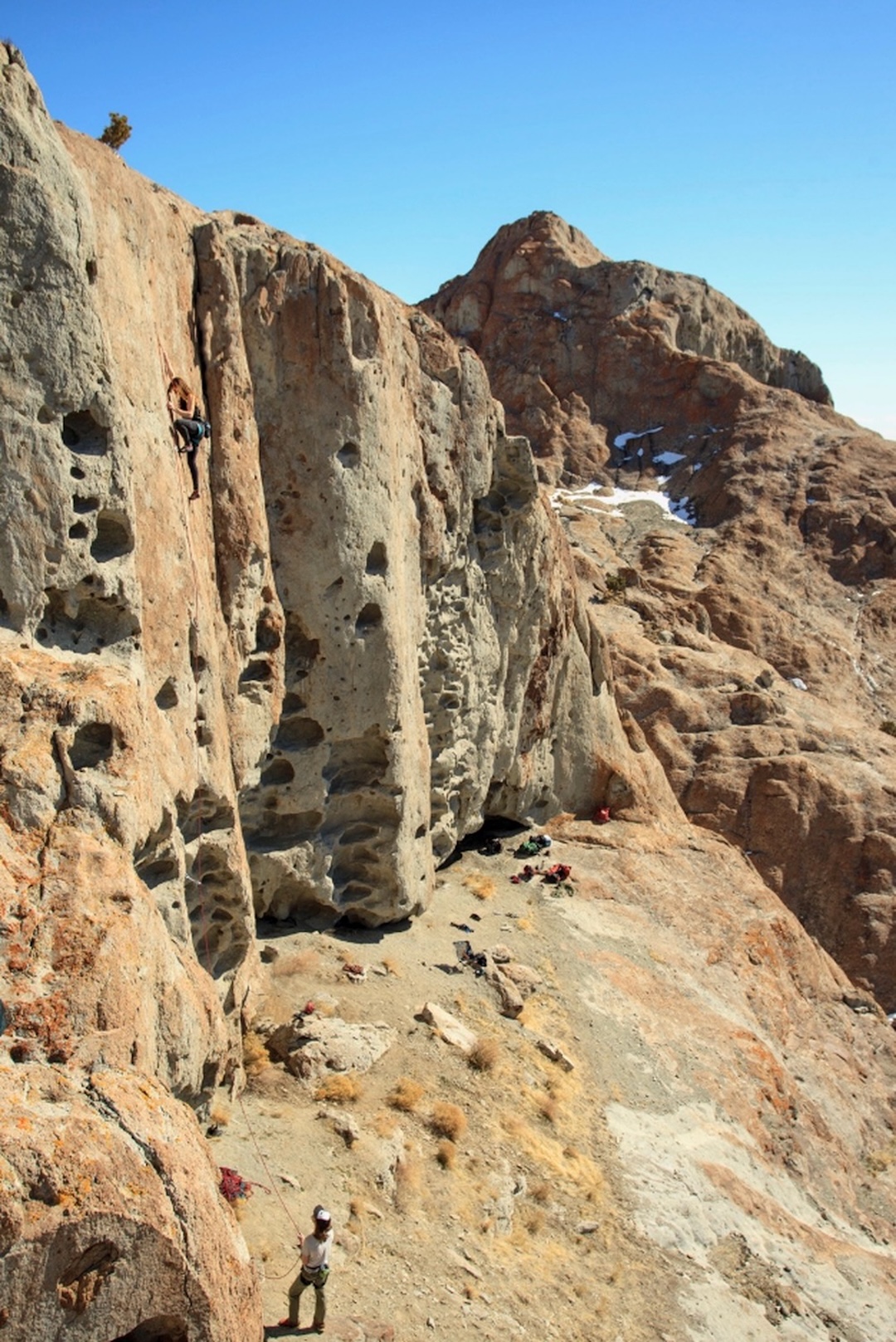
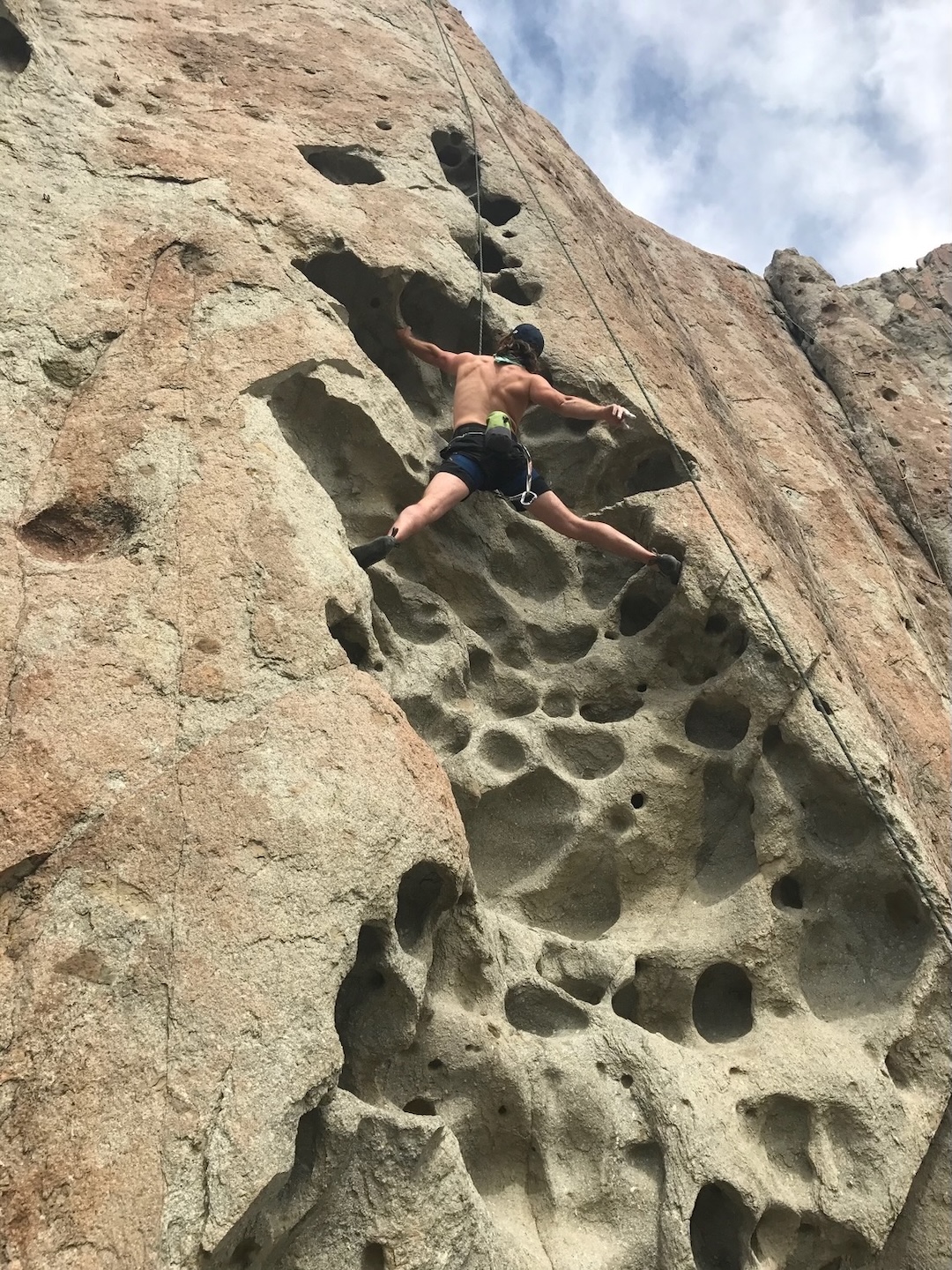
On October 10, a party of six was top-roping at the Lunar Wall when a climber on Little Pico (5.11b) dislodged a dinner-plate-sized rock near the top of the route and called out, “Rock!” A party member (33, female) seated at the base had just returned from a break and had not yet put her helmet back on. She heard the warning call and turned her face away, but was struck on the back/right side of the head.
The rock had fallen roughly 40 feet. The woman sustained a skull fracture extending into the occipital condyle, a subdural hematoma, and a nine-centimeter scalp laceration. She was flown to the University of Utah Health emergency department, admitted overnight, and discharged the following day after MRI clearance of her spine. Total charges were $102,000, of which $45,000 was for the helicopter. She subsequently experienced a complete loss of smell and reduced taste, with both senses slowly recovering.
ANALYSIS
Being struck by falling rocks has become a prevalent accident type, especially as climbers increasingly treat outdoor cragging as casually as a hang-out session at the gym. Mountain Project states, “White Rocks is more of a shooting range than a climbing area.” As such, the setting is wild, and loose rock is not uncommon. The climber who submitted this report has established some hard rules going forward: No people (or dogs) within 50 feet of any route being climbed unless the people below are wearing helmets, actively watching the climber, and in a position to rapidly adjust their location.
The injured person had stepped away from the crag for a break and had not yet put her helmet back on when she returned. That gap of a few minutes was enough. Turning away from falling rock is a nearly universal instinct; however, it trades facial exposure for cranial and cervical exposure. Being seated removes the ability to quickly move clear. (Source: Menno Sennesael.)
Media Gallery