

Fall on Rock — Wet Rock, Hypothermia
North Carolina, Black Mountains, Celo Knob, Left Wishbone
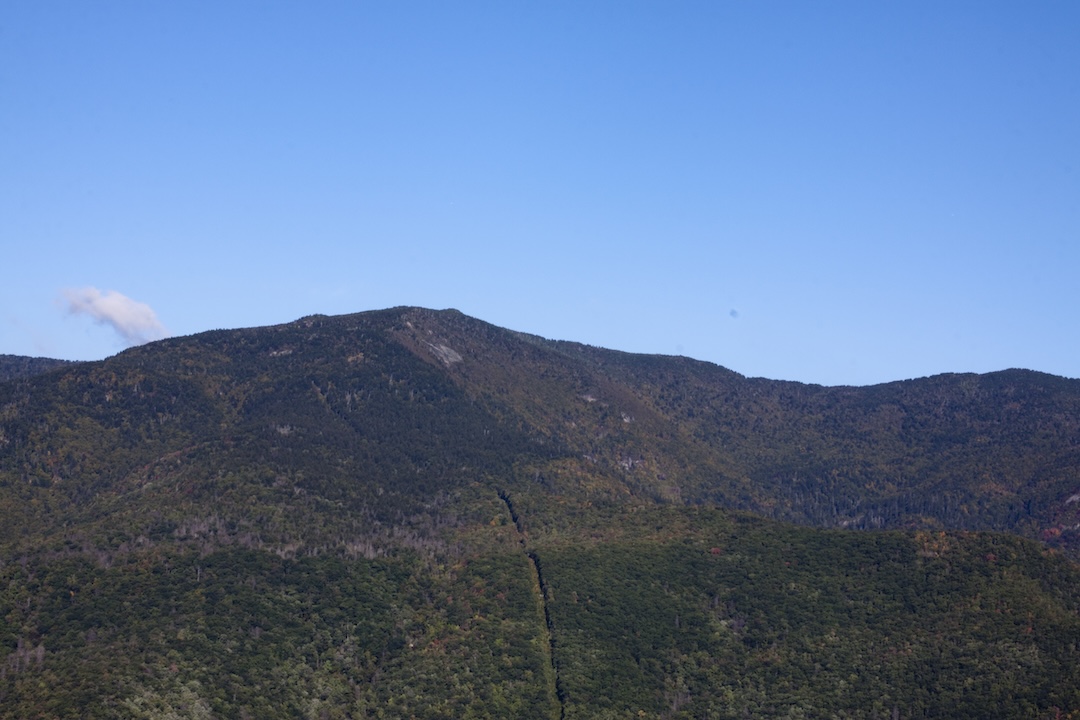
On August 24 at 6:03 p.m., Yancey County Emergency Services received a 911 call from a party of two climbers on the Left Wishbone (4 pitches, easy fifth class) on the east face of Celo Knob in the Black Mountains. One climber (22) had slipped while scrambling on wet terrain, sustained an ankle injury, and was unable to descend. She was also wet and cold.
Several agencies responded, including a ground team from South Toe Volunteer Fire and Rescue and a wilderness paramedic from Yancey County EMS. The approach required a difficult bushwhack through rugged terrain and thick vegetation. Much of the route was wet and unsafe to scramble, particularly at night. Upon reaching the patient, rescuers found her suffering from mild hypothermia in addition to the ankle injury. They splinted the ankle and provided both climbers with sleeping bags, food, and a fire. Temperatures were in the mid-40s to 50s (°F).
Rescuers determined that a litter carry-out would be unsafe, lengthy, and require significant manpower. The North Carolina Helicopter Aquatic Rescue Team, using a North Carolina State Highway Patrol helicopter, was contacted for a morning evacuation. The patient’s location was suitable for a hoist operation after clearing some small trees and branches. The following morning, the patient and a rescuer were evacuated by helicopter. The climbing partner and remaining rescuers walked out.
ANALYSIS
The decision to attempt the route when conditions were very wet contributed directly to the fall. The Left Wishbone and similar routes in the Black Mountains are known to become waterfalls during or after rainfall. It is generally recommended to avoid these routes unless there has been a week of warm weather without precipitation.
Rescues here almost always require helicopter evacuation, and poor weather can delay that by days. Climbers should carry adequate gear for an unplanned bivouac, including a satellite communication device—cell service in the area is unreliable. Even in summer, temperatures at elevation can be significantly lower than at the trailhead. After Hurricane Helene in September 2024, the area hosts additional hazards including trail damage, downed trees, and landslides. An alpine start is recommended, particularly in winter or during shoulder seasons. (Sources: Trey Penland, Yancey County EMS, and the Editors.)
Media Gallery