
Fatal Fall — Incomplete Tie-In
Colorado, New Castle, East Elk Canyon
On May 31, first responders from CareFlight, the Garfield County Sheriff’s Office, Colorado River Fire Rescue, and Garfield County Search and Rescue responded to East Elk Canyon on County Road 241 near New Castle to a report of a climber injured in a fall. Upon arrival, the injury was determined to be fatal. The climber (male, mid-40s) had been top-roping a sport route. He had many years of climbing experience; his belayer, an adult female of unknown age, was also reported to be very experienced. Two of the climber’s friends had just finished an adjacent route and were waiting for him to complete his climb. Conditions were dry and mild, and the group was familiar with the area.
Witnesses reported hearing the climber call “Take,” followed shortly by a call to “lower.” Almost immediately, witnesses heard a scream and observed the climber fall to the ground. He was wearing a helmet and was pronounced deceased at the scene. The fall was estimated at 65 feet. Fatal head and torso injuries were sustained.
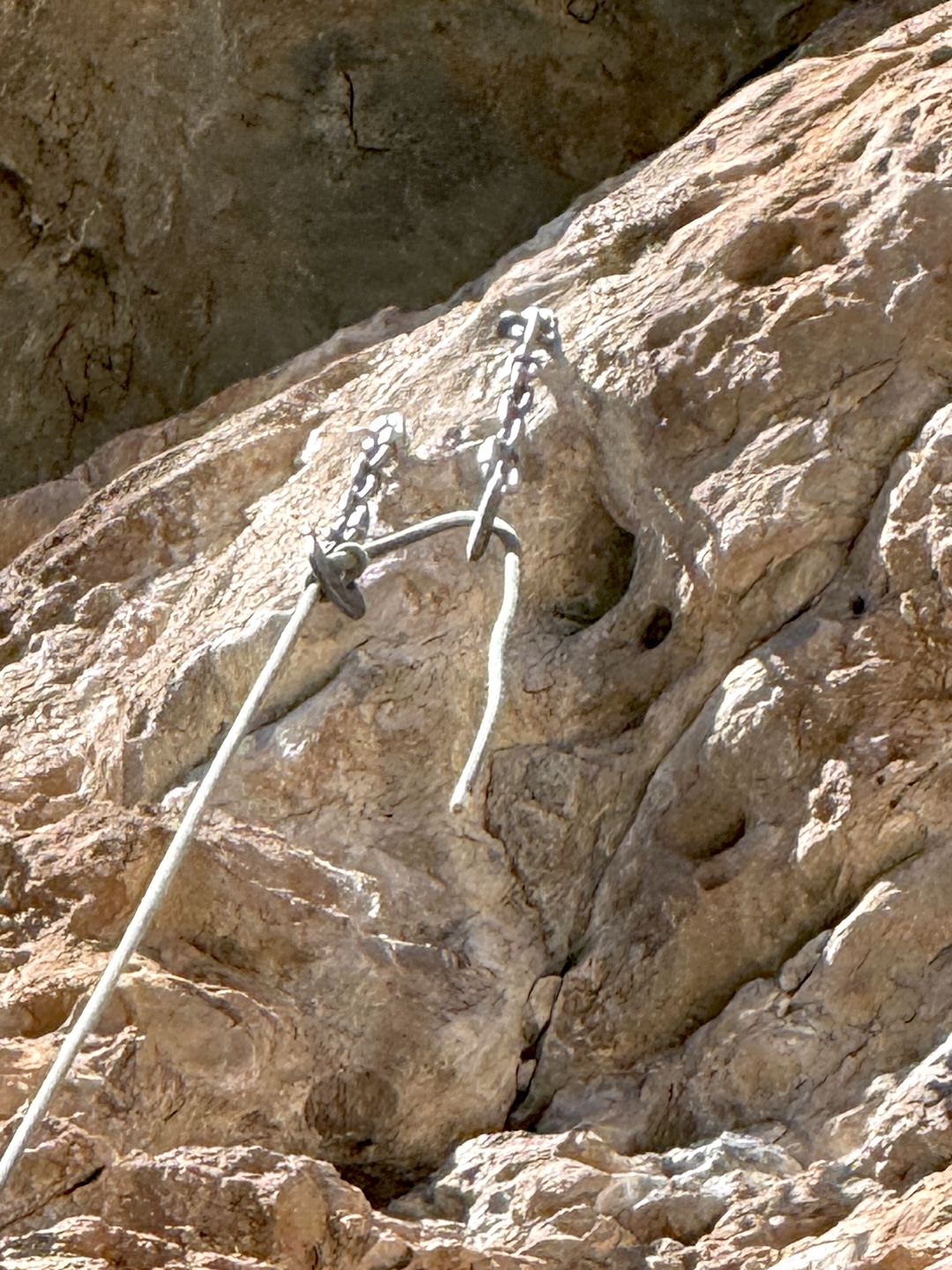
Examination of the harness revealed no signs of excess wear or failure. The climbing rope was not attached to the harness. The following day, one of the first responders returned to the site and photographed the rope, which displayed a single-strand figure-eight knot jammed into one of the mussy hooks at the anchor. It is believed the climber had begun tying a figure-eight follow-through but did not complete it after threading the rope through his harness tie-in points. While climbing, the incomplete knot was likely not weighted sufficiently to reveal the error. When the climber weighted the rope to be lowered, the incomplete knot failed.
ANALYSIS
A figure-eight follow-through must be fully threaded through both harness tie-in points (leg loops and waist belt) and be finished and dressed before loading. An incomplete knot may hold under light or no load, which is consistent with the climber completing the route and then having the knot fail when he weighted the rope.
Whether a partner check was conducted before the climb is unknown—a thorough partner check would likely have identified the incomplete knot. Partner checks are a standard practice because a climber who has just tied in is poorly positioned to verify their own knot. Familiarity and confirmation bias make self-inspection less reliable than a second set of eyes. This is especially true for experienced climbers, for whom tying in is so automatic. Experience does not protect against errors; partner checks do.
Finally, while climbing is a social activity, too much communication at the wrong time can lead to distraction. When starting a process, finish it. Do not interrupt another climber when they are performing critical tasks. (Sources: Rob Glassmire, Garfield County Sheriff’s Office and Coroner, and the Editors.
Media Gallery