
DENALI NATIONAL PARK ACCIDENT SUMMARY 2025
Alaska, Denali National Park
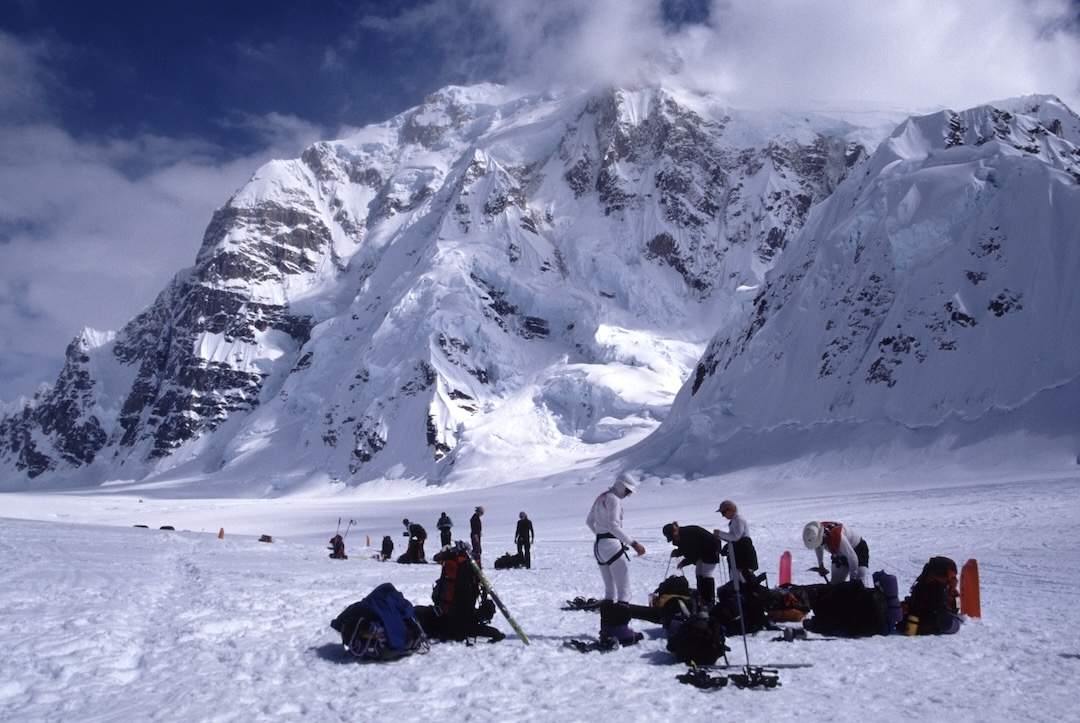
Denali (Mt. McKinley) mountaineering rangers and volunteers assessed 37 patients during the 2025 climbing season. Of those, 17 patients were treated by National Park Service (NPS) personnel and 16 required NPS evacuation.
• Traumatic Injuries: Eight cases (includes two extremity fractures, three knee injuries, one laceration, mild bruising after an avalanche).
• Frostbite: 14 cases. Here, frostbite remains one of the most preventable injuries. Two patients required multiple amputations of digits on the hands and feet.
•Medical: Two cases, including a gastrointestinal illness that required evacuation and a minor upper respiratory infection.
•High Altitude Cerebral Edema and High Altitude Pulmonary Edema: Three cases; also four cases of acute mountain sickness (AMS) that required assessment only.*
•Fatalities: Two
*Some patients had multiple diagnoses resulting in a higher number of diagnoses than the total number of patients. For more information on prevention, recognition, and treatment of mountain maladies, search: “Denali mountaineering handbook.”
Twenty-seven patients were independent climbers, three of whom were soloists. The remaining ten were either guides or clients. NPS rangers treated 17 patients at the 14,200-foot camp. We assessed 20 patients who did not require NPS care; with guidance, they were able to continue safely or descend under their own power.
There were two fatalities this season. The first was a skier descending to 11,200 feet in poor weather. He had a heavy pack and sled and had ascended via a slight variation of the West Buttress. Weather and visibility were poor, he hit a patch of ice, and he fell to the Peters Glacier (see report here).
The second was a skier caught in an avalanche in the Rescue Gully, an increasingly popular ski route out of High Camp at 17,200 feet. This skier and his partner triggered a D2.5 avalanche; he most likely died from trauma.
We are seeing increasing skier traffic in the Alaska Range. While the skiing and terrain can be exceptional, we have noticed a few things that are concerning:
• Skis may give a false impression of better flotation and promote unroped travel. The crevasses on our glaciers can be large. Your skis may not fully span, nor do they adequately spread weight to safely cross all snow bridges.
• Ski boots are not as warm as mountaineering boots, even with overboots. Skiers on the upper mountain should know this and monitor their feet carefully.
• Many prized ski routes on the mountain are thousands of feet long. Conditions vary greatly over this distance. Use extreme caution and be aware that very thin snow can be hiding glacial ice and cause a fall.
(Source: Denali Mountaineering Rangers.)
Media Gallery