
Daryl Raymond Miller, 1944–2026
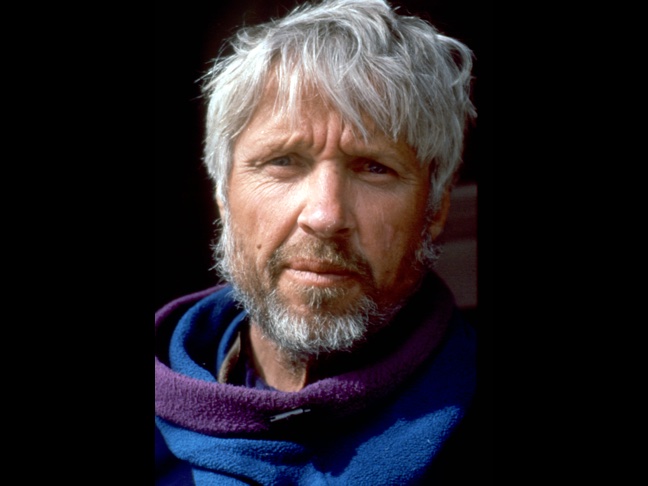
Daryl Raymond Miller, a pioneering Denali mountaineering ranger whose endurance, judgment, and willingness to confront danger helped transform high-altitude rescue in North America, died June 9, 2026, surrounded by family and friends. He was 82.
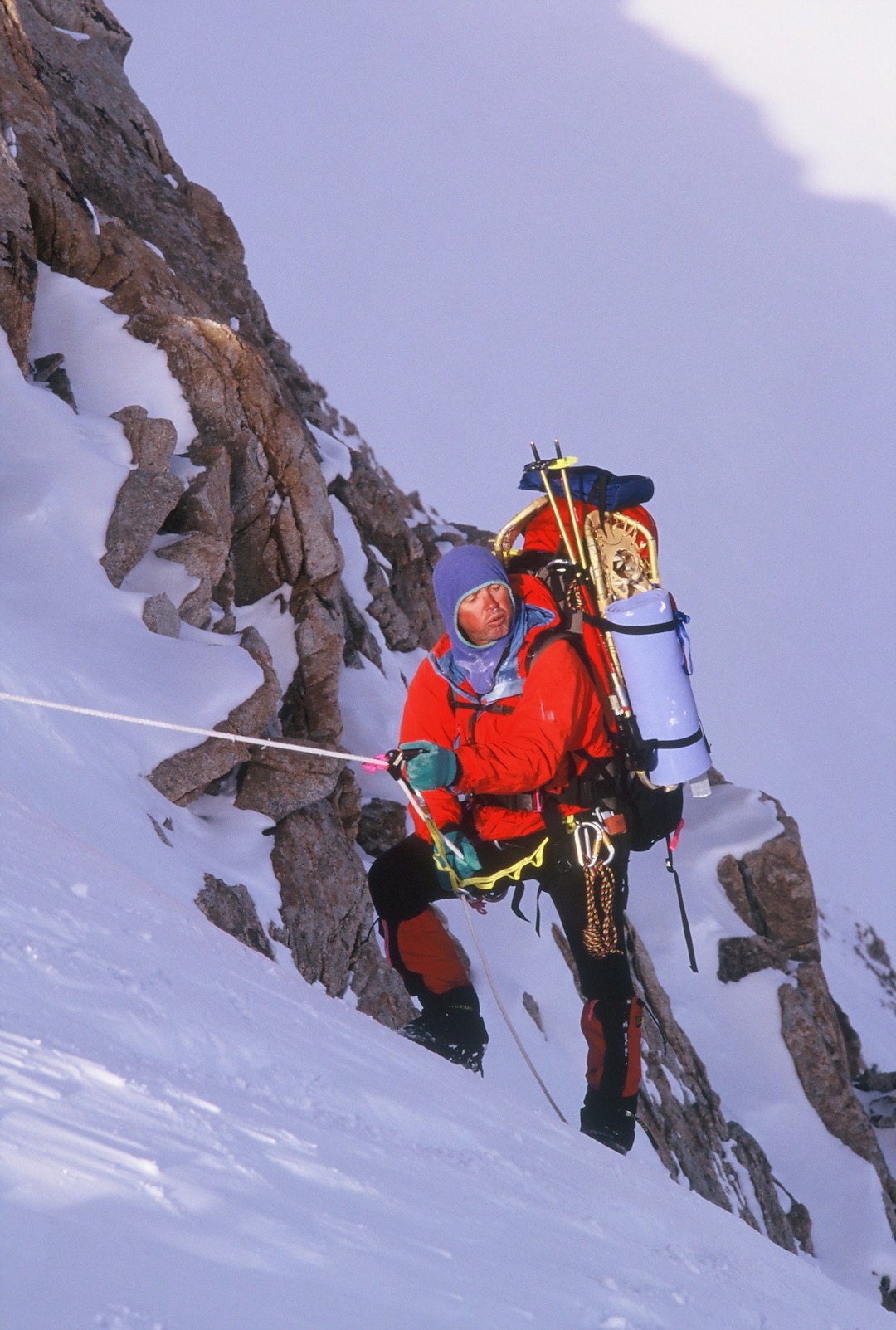
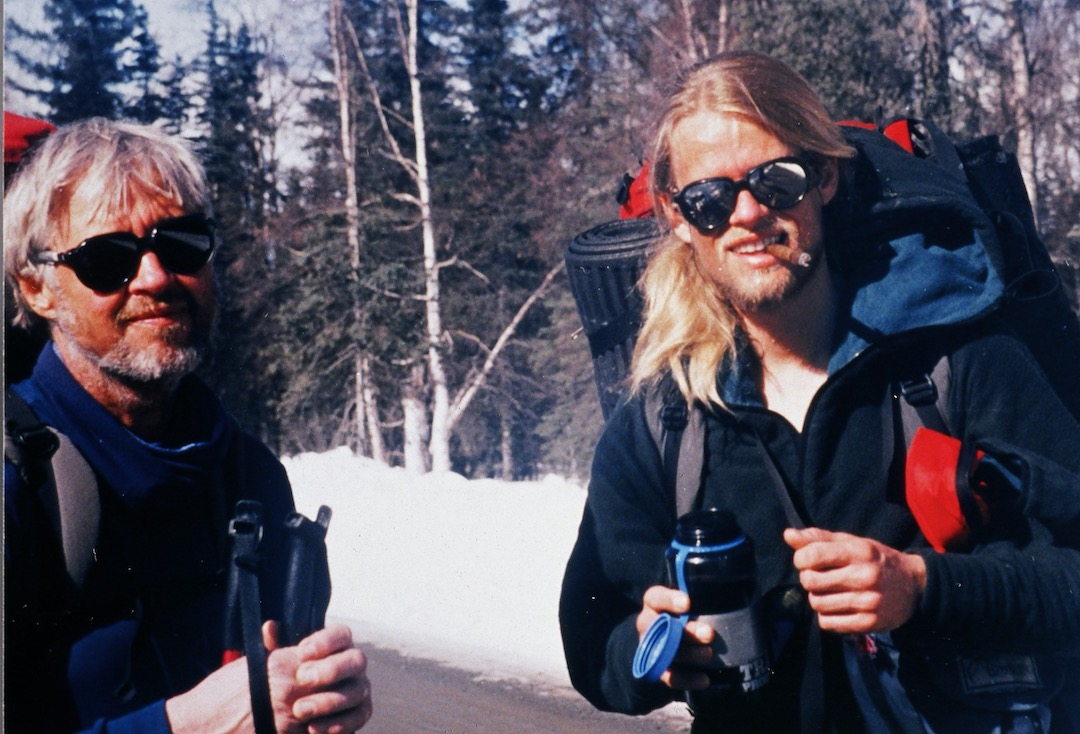
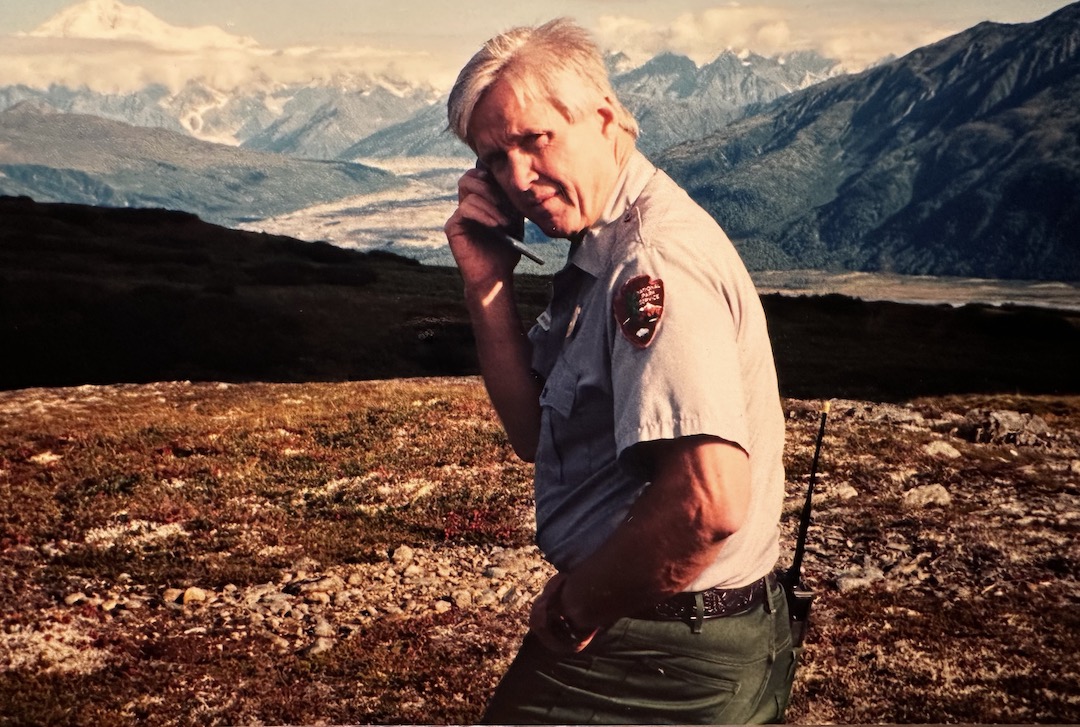
For 18 years, Miller worked as a climbing ranger at Denali National Park and Preserve, directing and often leading some of the most difficult and dangerous high-altitude rescues in the world. His achievements included the highest rescue in North America, conducted above 19,500 feet on Denali (Mt. McKinley); the highest recorded helicopter short haul, during which he traveled from the 14,200-foot camp to Denali’s 20,310-foot summit and back while suspended beneath a helicopter on 100 feet of rope; and the first winter circumnavigation of the Denali and Foraker massifs on foot, completed in 1995.
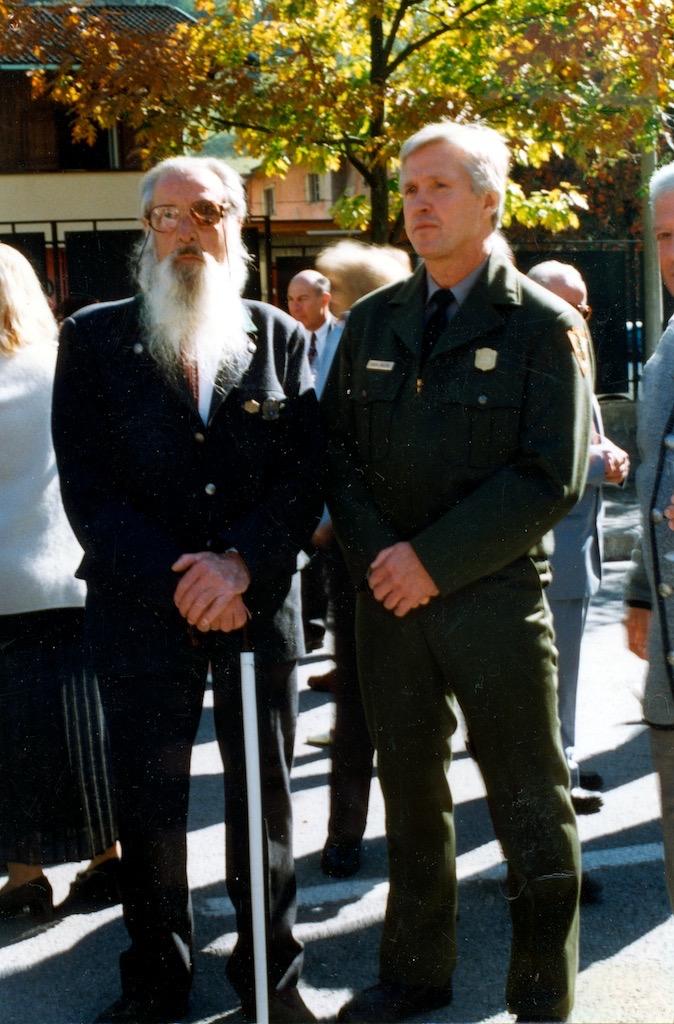
Miller received numerous decorations for valor from the National Park Service (NPS). He was also the first North American recipient of the International Alpine Targa d’Argento Solidarity Award, presented in Italy by the country’s president.
Among climbers, guides, and NPS leaders, Miller had a reputation for sound risk assessment and unwavering loyalty to climbers and fellow rangers.
The qualities that defined his years on Denali emerged from a life spent seeking challenge.
Miller was born into a logging family in 1944. His father worked as a topper in the redwoods, and the family followed his work through California and Oregon before settling in Walla Walla, Washington. Miller attended high school there but was expelled after he stole a sign from the Walla Walla Federal Penitentiary and posted it at the school. After an ultimatum from his father, he joined the Marine Corps and served at Guantanamo Bay and Okinawa before landing at Chu Lai on March 19, 1965—one of the first major U.S. incursions into Vietnam. He saw action, and he saw it early.
It was in Vietnam that Miller began to understand both the nature of risk and the limits of human control. “Typically, there is some mistake that is made in combat,” he told this writer in a 2009 interview for Alaska magazine. “And sometimes it is random, being in the wrong place at the wrong time.”
After his second tour in Vietnam, Miller was assigned to the Marine base at Parris Island, South Carolina. In his spare time, he relocated alligators on Hilton Head Island, climbed trees to collect osprey eggs affected by DDT, and caught water moccasins, which he sold to a university herpetology department for 75 cents a foot. He also acquired a Chacma baboon named Jocko, one of many exotic pets he owned through his life.
In 1969, Miller met Bob Noell, who traveled the country with a group of fighting chimpanzees. Noell offered $25 to anyone who could last three rounds with one of the animals and charged spectators to watch. Miller took leave from the Marines, spent a month traveling with the show, and eventually entered the ring himself. He didn’t share the details, but said, “It didn’t go well for me.”
After 12 years in the Marine Corps, Miller left the service to spend time with his ailing father. He later ran a large cattle-ranching operation and was asked to help at a children’s rodeo by hazing, or chasing, young bulls. The animals seemed manageable, and Miller developed what he described as a false sense of security. A rodeo manager told him he was a natural and recommended that he attend a bullfighting school operated by the legendary rodeo champion Jim Shoulders.
On the first day, Miller entered the ring to face one of Shoulders’s one-ton fighting bulls, immediately lost his nerve, and ran. The bull caught him by his suspenders and threw him over the fence. Shoulders assessed his performance succinctly: “That’s a great act,” he said, “but you’ll be dead by Friday.”
Miller completed the program and went to work as a rodeo bullfighter (the person who protects riders thrown from a bull) for a contractor, Don Jacobs.
“I’ll tell you what, he’s the damnedest guy I’ve ever run across,” Jacobs said years later. “I’ve been rodeo’n’ for 50 years, and there’s a lot of guys that fought bulls for me and I can’t remember their names. Daryl Miller, I’ll never forget. He had no fear. No matter where the cowboy was at, he’d be right on top of that bull. He had no fear, absolutely no fear. He never thought of himself at all.”
Miller’s bullfighting career ended in 1977 when a bull named Rattler left him with a concussion, ruptured spleen, ruptured kidney, and broken ribs after a cowboy who had been thrown returned to retrieve his rope. Miller went between the cowboy and the bull and was severely injured. The experience taught him that, regardless of his own skill and preparation, he could still be placed in danger by someone else’s poor judgment. Miller never entered the ring again.
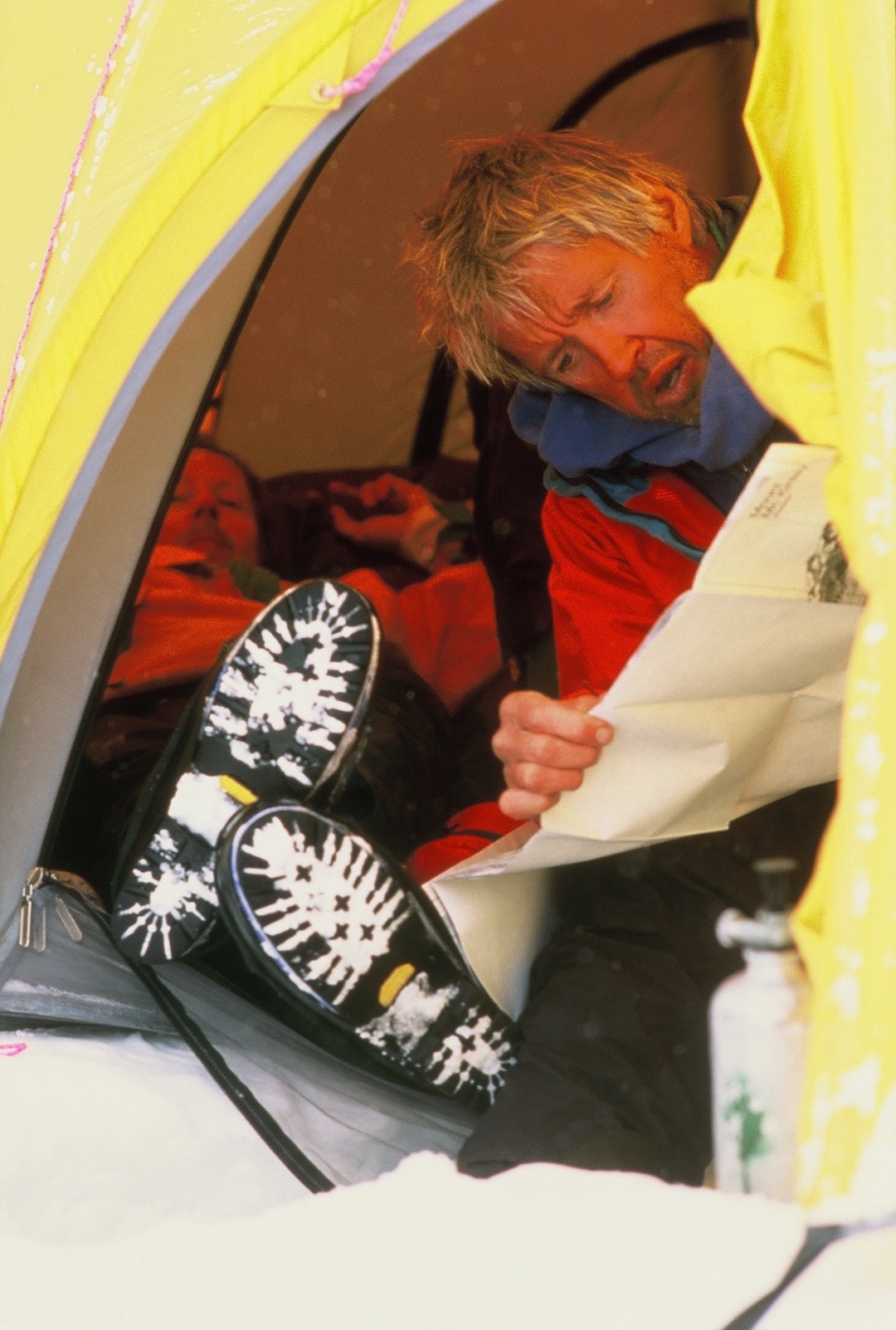
He enrolled at Northern Montana College in Havre, Montana, and began taking courses through the National Outdoor Leadership School. He soon became a NOLS instructor.
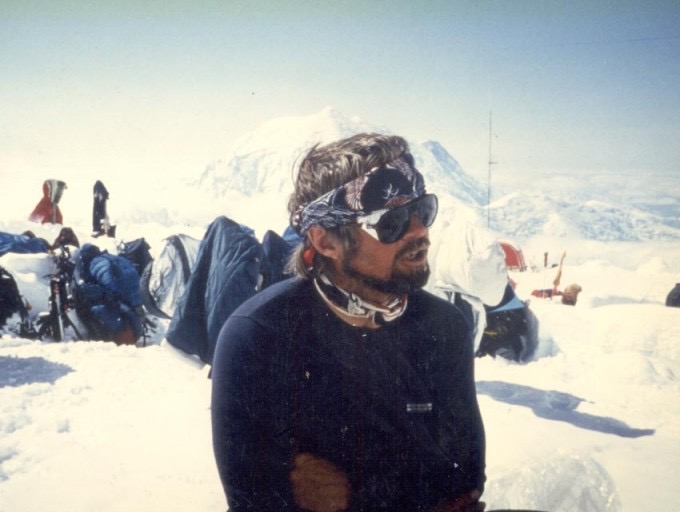
Miller was 37 when he first came to Denali, in 1981, as part of a climbing expedition that became trapped by a nine-day storm. He had considered himself one of the strongest people in the group, but learned that physical strength alone was not enough. Success depended on pacing, nutrition, hydration, and respect for altitude and the elements. He left the mountain with no plans to return.
After graduating with a degree in outdoor studies, Miller ran the outdoor program at Colorado State University. He taught outdoor skills and led student expeditions throughout the Western Hemisphere, including an expedition to Denali. He left in 1989 when administrators told him he would have to stay in the office and hire someone else to lead trips.
He drove to Alaska, signed on as a Denali guide for Genet Expeditions, and quickly concluded that guiding was not for him. Miller returned to the Lower 48 and spent two years living in a teepee and teaching primitive skills, climbing, canyoneering, navigation, and desert travel for Wilderness Conquest, a drug-rehabilitation program for youths, near Lake Powell in Utah.
In 1991, Denali South District Ranger Bob Siebert offered Miller a job as a climbing ranger. He was 47, an age when many climbers have already hung up their crampons, and his path to the mountain had been anything but conventional. Yet the Marines, ranching, bullfighting, outdoor education, guiding, and teaching troubled youth had all prepared him to work in places where conditions changed quickly and human behavior could be as unpredictable as the environment. Miller also brought a disciplined understanding of risk.
He believed climbers had to accept responsibility for their decisions and that no rescue justified unnecessarily endangering additional lives.
“You’ve got to remember, you’re on your own,” he told climbers. “We do our best to get climbers out of bad situations, but for the most part my feeling is your emergency may not be my emergency.”
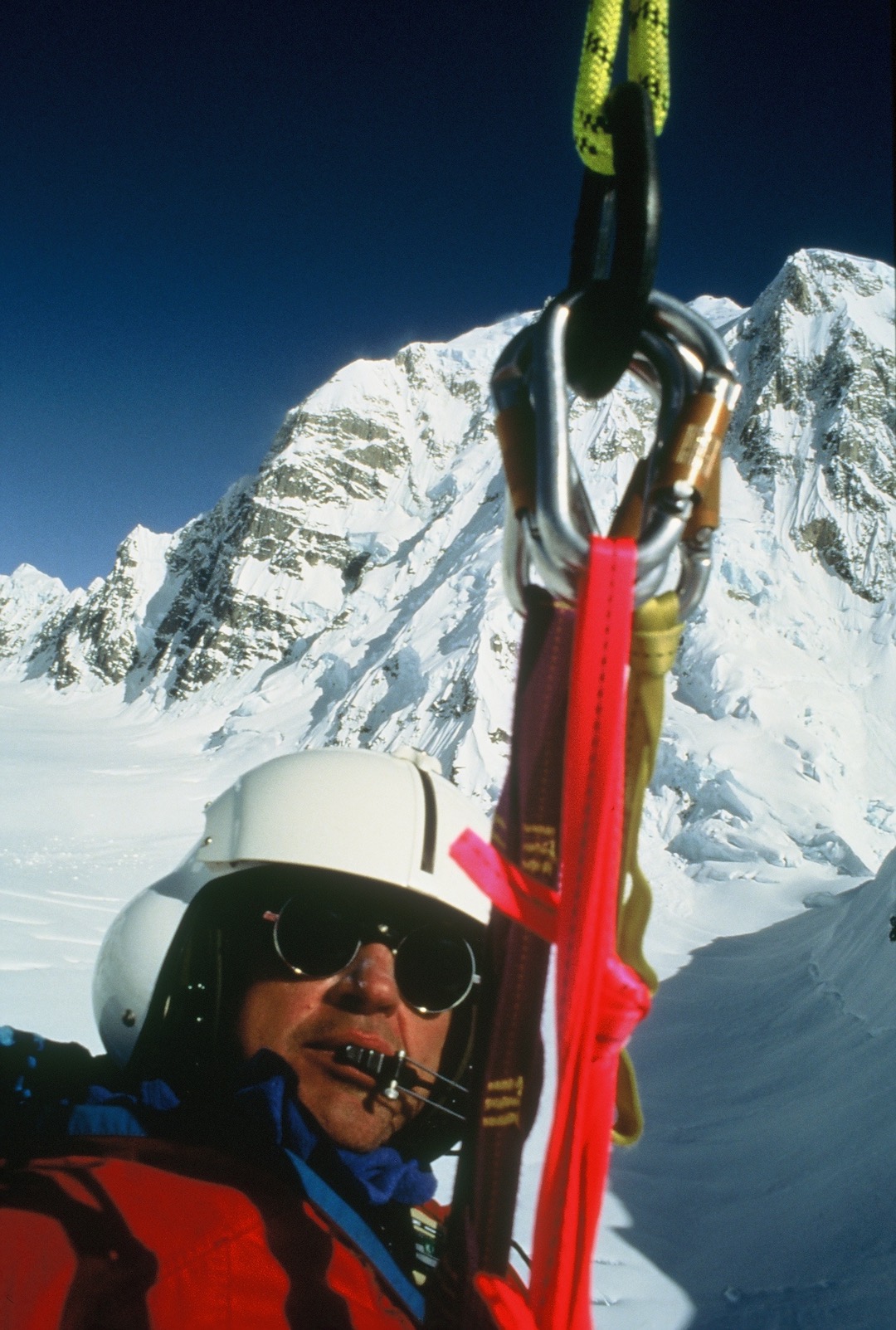
In 1993, Miller began expanding the capabilities of Denali’s rescue program. Most serious accidents and illness occurred above 14,200 feet, but the park’s high-altitude helicopter had not operated at the highest elevations. Rather than wait for an emergency, he decided to find out what the aircraft and crew could do. “I said, ‘Let’s go see if we can pick someone off the summit,’” he recalled. So, he clipped into 100 feet of rope secured beneath the helicopter and, dangling beneath, traveled between the 14,200-foot camp and Denali’s summit. The flight established high-altitude short-haul capability as a possible rescue tool and set a record (since eclipsed in the Himalaya) for the highest helicopter short haul.
Miller also met with the families of climbers who died in the park and made himself available to them.
Colby Coombs, owner of the Alaska Mountaineering School, saw the emotional burden.
“He tells the next of kin, ‘Here’s my home phone number, call me whenever you want’—and they do,” Coombs said. “I’ve heard him take calls in the middle of the night. It’s a mother who lost a son, and she talks with him for hours.”
In the late 1990s, Miller’s mother noticed a tremor in his hand. He was soon diagnosed with Parkinson’s disease. Not long afterward, he stopped working high on Denali because he did not want his condition to place others at risk.
It was a decision consistent with the principles he had applied throughout his rescue career: an honest assessment of conditions, a recognition of uncertainty, and a refusal to let determination overcome judgment.
He retired to Anchorage in 2008, where he volunteered at the Bird Treatment and Learning Center, remained close to the climbing and rescue community, and shared retirement with his wife, Judy Alderson.
“After Vietnam, I decided I’d better live now, because it could end in a moment,” he said. “Judy taught me that I could slow down, plan for the future, that I can enjoy hiking in the Chugach as much as climbing mountains.”
He is survived by Judy; his brothers Tom Miller (and his spouse, Sharon) of Wauneta, Nebraska, and Gary Miller (Marcia) of Anaconda, Montana; his children, Chance Miller of Havre, Montana, Justin Miller (Tami) of Stanwood, Washington, and Samantha Miller of California; and his grandchildren and great-grandchildren. He was preceded in death by his parents, Raymond and Ann Miller.
Those wishing to honor Daryl's memory may donate to the Bird Treatment and Learning Center (birdtlc.org) or the Denali Rescue Volunteers (denalirescue.org).
—Andy Hall
Media Gallery