
Pay No Mind: A Memoir of Climbing, Abuse, and Survival | Turn to Stone: A Memoir
By Fallon Rowe | By Emily Meg Weinstein
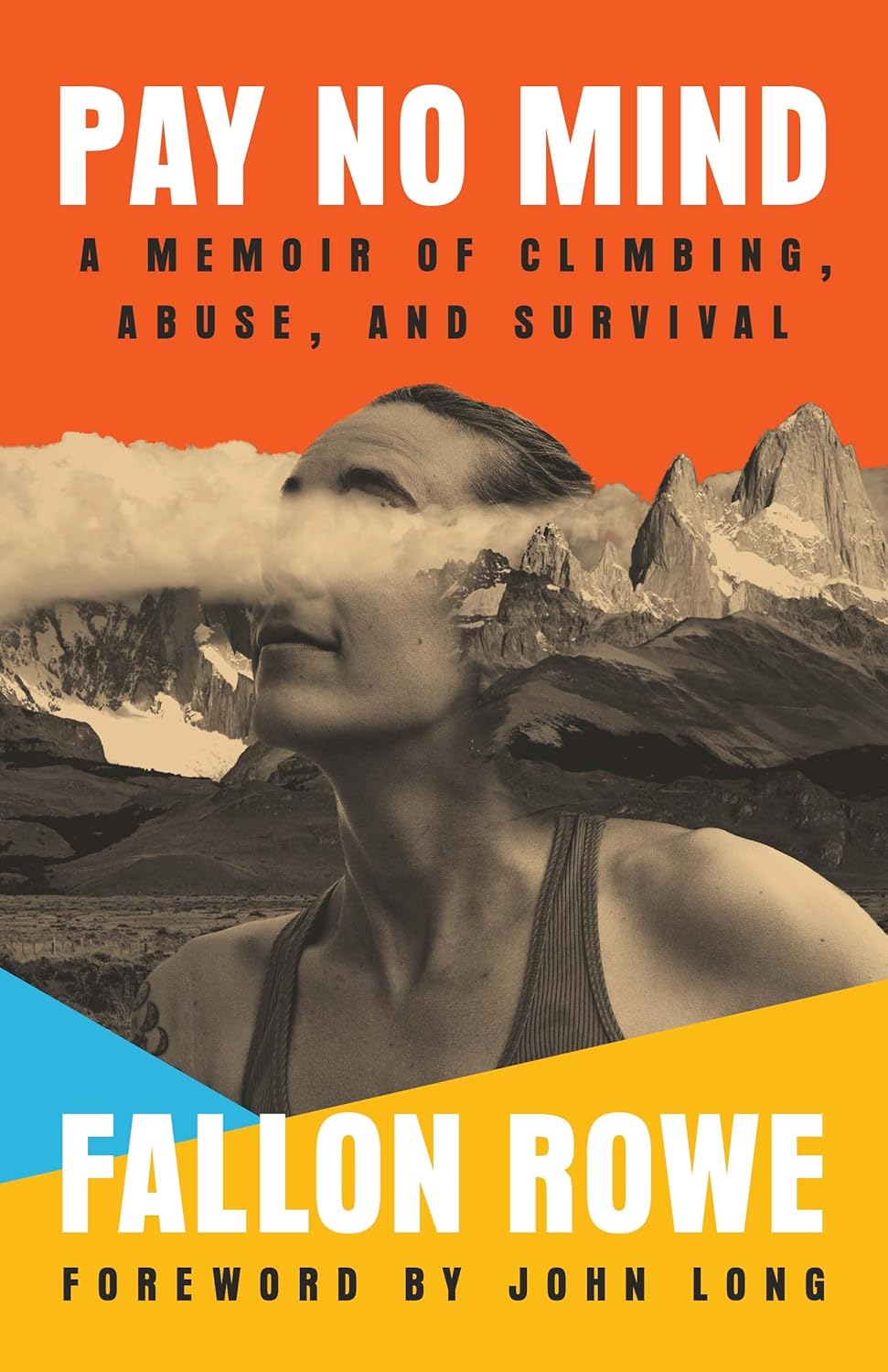 Pay No Mind: A Memoir of Climbing, Abuse, and Survival. By Fallon Rowe (Di Angelo Publications).
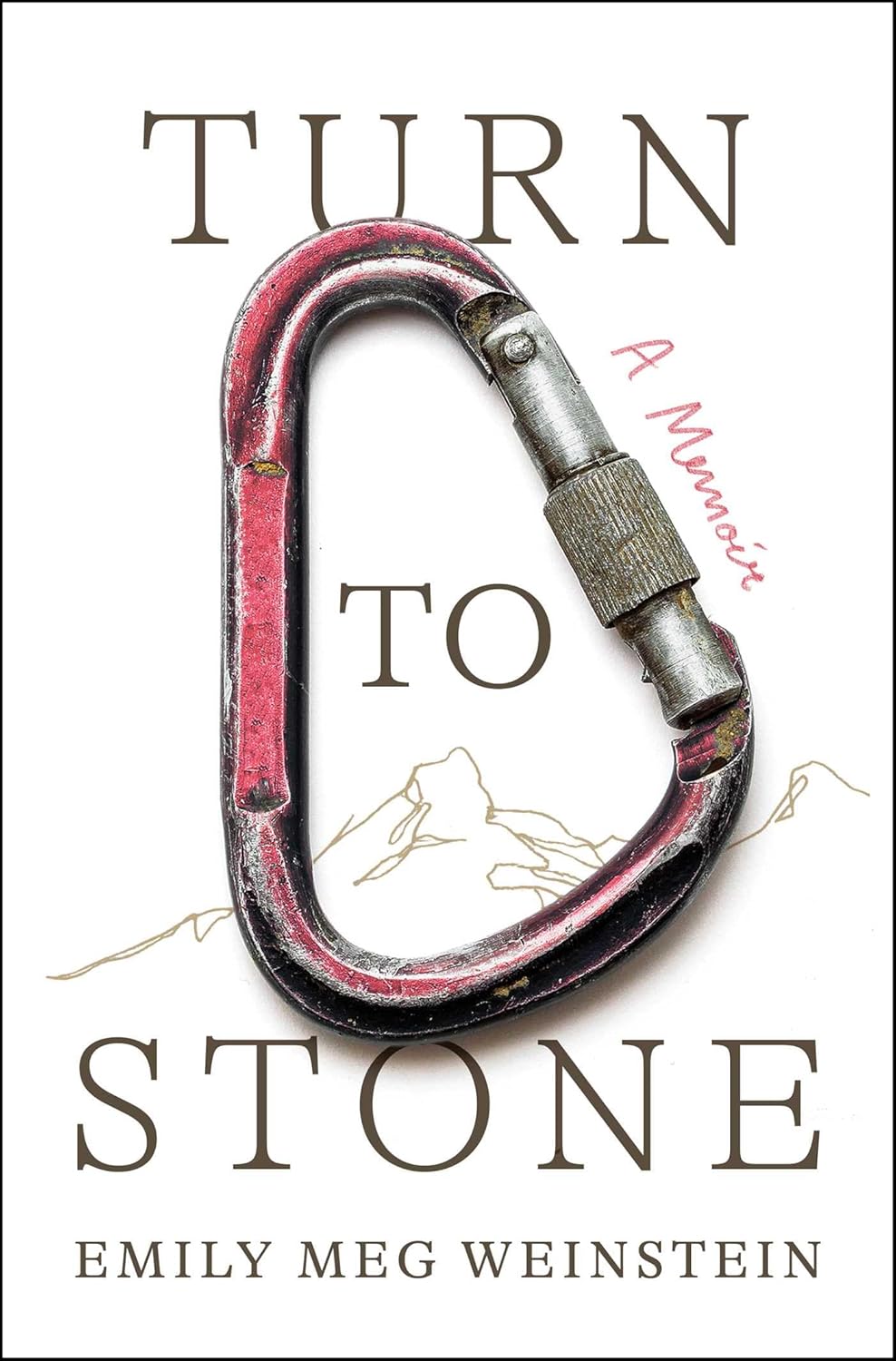
Turn to Stone: A Memoir. By Emily Meg Weinstein (Simon & Schuster).
Climbing offers such a fount of metaphor that it’s hard to avoid turning the whole endeavor into a symbol—ascent, failure, patience, triumph, all ripe to be plucked from any given pitch. Harder, then, is the act of passing one’s life through the prism of the sport while keeping a tie to the physical act of climbing and finding perspective outside the narrow view up or down a rope. In the memoirs Turn to Stone and Pay No Mind, Emily Meg Weinstein and Fallon Rowe, respectively, attempt to mine their own turbulence and growth as they lived a climber’s life. Subject to the barriers, opportunities, and attitudes that came with being women in the early 21st-century outdoor world, they dip into that chalk bag full of symbolism in different ways, both finding a way to tell a story that couldn’t trace any other route.
In 2016, Fallon Rowe was on a Patagonia trip whose litany of disasters would reach memorably absurd heights: bad weather, crashed cars, corrupt cops, botched weed buys, empty wallets. A bout with E. coli in an Argentinean hospital that only had a single bathroom reaches the sublimely miserable, the kind of experience that would be horrific to live through but eye-wateringly hilarious in future retellings. But Rowe wasn’t fielding an avalanche of mishaps and mistakes with buddies, growing closer through shared bad luck; she was an uneasy 19-year-old with an extremely abusive and isolating boyfriend.
In Pay No Mind, Rowe traces this early relationship with a man she calls Dan; hooking up in Utah, where she’s a college geology student, they quickly plan and execute the Andes trip from hell. Dan is erratic, punishing himself on the trail one minute and pelting Rowe with nasty invective the next. He drives (and lives) on various pills and illegal drugs and berates Rowe about her climbing skills even as he quickly claims her as the partner he needs to achieve his South American goals.
Abusive relationships are notoriously claustrophobic and maddening. Writing with almost a decade of perspective, Rowe wisely does not try to excuse away what got her young self into the situation in the first place; she doesn’t dwell on Dan’s surely appealing early days, the charisma and flattery that trapped her in his clutches.
From the beginning, she recalls his cruelty, how he yanked her from her education, friendships, and family. Readers follow her through a cycle of Dan’s lash-outs and breakdowns, inwardly begging the suffering young Rowe to walk out or get on a bus. She doesn’t. She acquiesces to his rampages again and again. His fury is, Rowe knows, the point; she shows plainly how Dan’s abuse crumpled her identity so fully that she was unable to save it by walking out the door.
Now a geoscience teacher and sponsored climber, Rowe lays bare how the sport’s unique blend of isolation and dependence may create a crucible for abuse. Dedication to climbing, the dirtbag lifestyle itself, demands pulling away from society; for many, that’s a big part of the appeal. Though Rowe takes moments to appreciate the stunning views of Fitz Roy and her triumphs on Utah rock, her harrowing story probes at the darker corners of the climbing life and what it takes to ascend above them.
 Like Rowe, Emily Meg Weinstein was seduced into the climbing life. While it was also literally through a romantic relationship with a man, Weinstein’s courtship was quickly overtaken by the climbing world, and the man falls away. In her 30s, she clung to a dirtbag lifestyle even as she questioned whether it loved her back, whether it was healthy in replacing her quest for human intimacy and conventional family structure.
Born in New York City, Weinstein enters sacred spaces like Yosemite’s Camp 4 and Joshua Tree’s Space Station with refreshingly naive eyes, never too cool to gape at the scope and grandeur of the West. (She does repeatedly and vehemently differentiate herself from tourists and wealthy normies, one of her few unexplored insecurities.) Despite her middle-class urban upbringing and Ivy League education, she quickly identifies with the climbers who only engage with greater society in pit stops and gig work.
The West and its stream of climber dudes is the refreshing opposite to an abusive relationship Weinstein had endured on the East Coast, a parade of international accents and passed-around joints, even as she struggles with the drawbacks of a supremely noncommittal ecosystem. She’s torn every time one former love drives away in a dumpy van but thrills when another—maybe not even a romantic prospect—pulls up and asks if she wants to go climb.
Weinstein is at her best when, in her descriptions of the sport’s basics, her still-present wonder at the whole act shines through. When she got her first rope, she slept with it under her covers, still encased in its REI packaging. The joy at being included in her newfound tribe is endearing. Her fawning recollections of seeing hard-charging women climbers border on hero worship, and she deftly expresses the peculiarities of being a woman in the climbing world, even if she never attempts to unpack it all. (“Girlfriends cried, because they were afraid of heights. I wasn’t a girlfriend…I never cried.”)
And while she mines her chosen activity for many a symbol or parallel—why wouldn’t you?—Weinstein also has a refreshing ability to recognize that she was drawn to rock for its physical simplicity. Rocks are inert, they are emotionless, they do not want different things; they do not want, period. In her descriptions of learning crack climbing or squeezing into a chimney, Weinstein’s ability to re-create the sensations of climbing often outshine the greater comparisons.
While her journey into the climbing world was in some ways less severe than Fallon Rowe’s, Weinstein finds intensity in becoming, by her own admission, only an undistinguished climber. Reconciling her own desires comes only after she grows beyond her initial, starry-eyed affection for climbing and recognizes the strengths and wounds it gave her. Climbing is a hell of a metaphor for life, but it’s also a powerful force all on its own.
—Allison Williams