
Genyen Range, Two First Ascents
China, Sichuan, Shaluli Shan
China offers some of the greatest potential for first ascents anywhere in the world. The extent of its mountain ranges is difficult to comprehend, while just as hard to grasp are the layers of rules and restrictions issued by various authorities. Fanny Schmutz (France) and I experienced this firsthand, as we had to completely change our objectives in the early stages of preparing for our trip. However, once we received the green light to climb in the Genyen Range, everything progressed relatively smoothly.
Smartphones have turned what used to be a complicated journey through the country into something simple, though at the cost of some of the charm such travel used to hold. Surprises are nevertheless inevitable. Our journey to base camp in early October coincided with massive traffic jams, due to it being China’s national holiday week. We then had a motorbike approach to base camp. There are no porters available in the Genyen mountains, and this resulted in an unforgettable ride along a track on which it was initially hard to imagine any transport being possible.
We established base camp at 4,300 meters in the upper (east fork) of the Garmunei Gou valley, north-northeast of Genyen (6,204m). Exploring the surroundings, we discovered the nearby peaks were devoid of ice and the mixed or ice lines we had studied at home were almost impossible to identify.
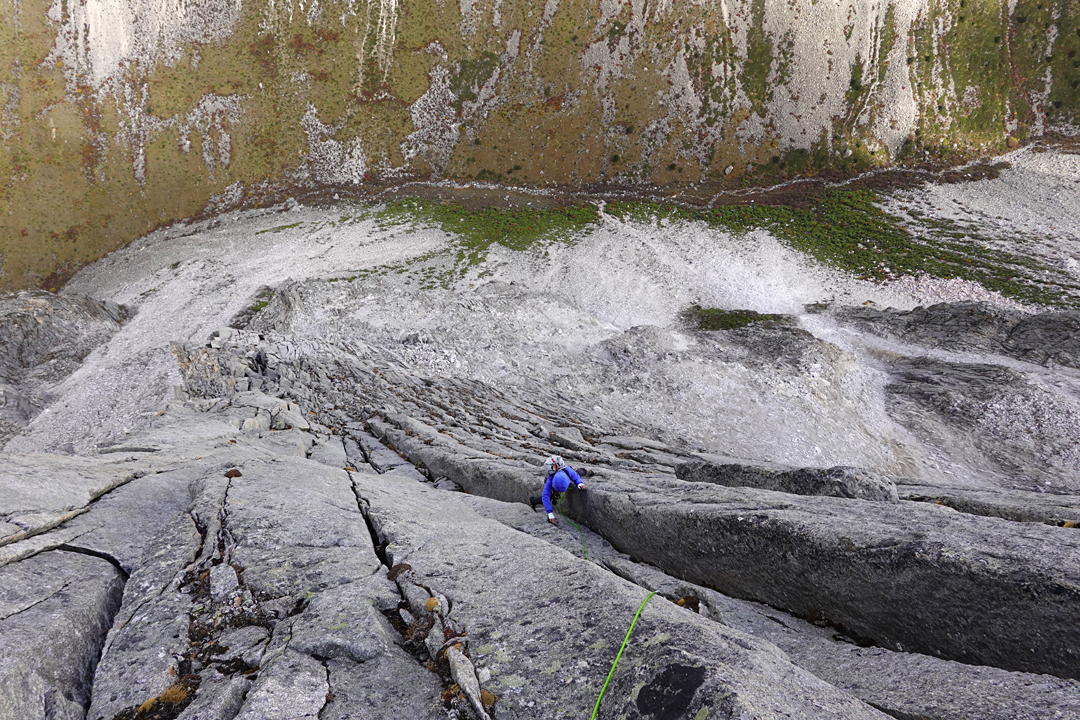
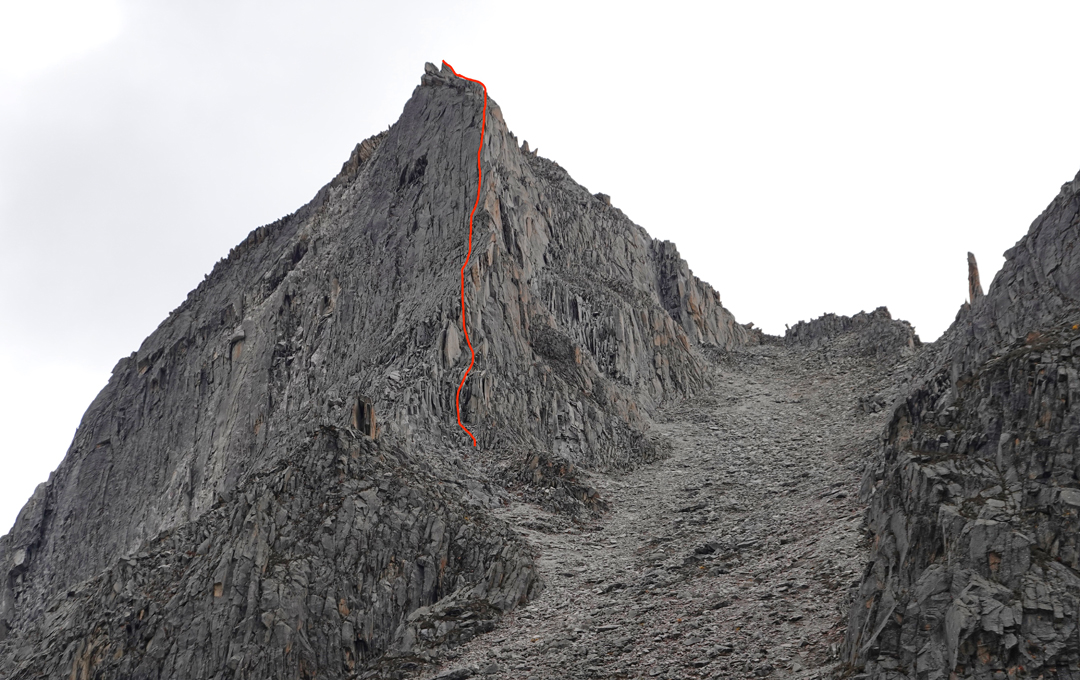
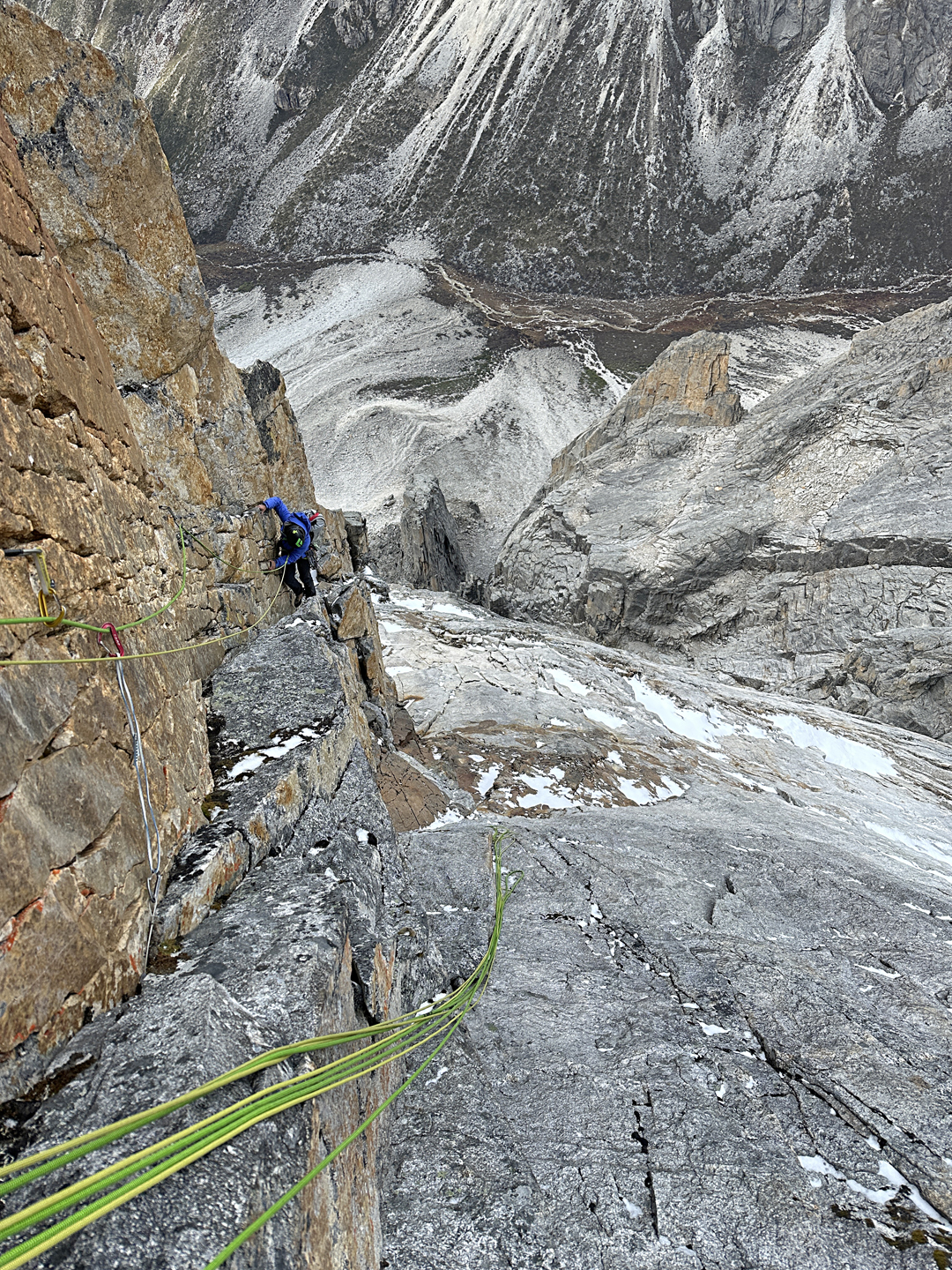
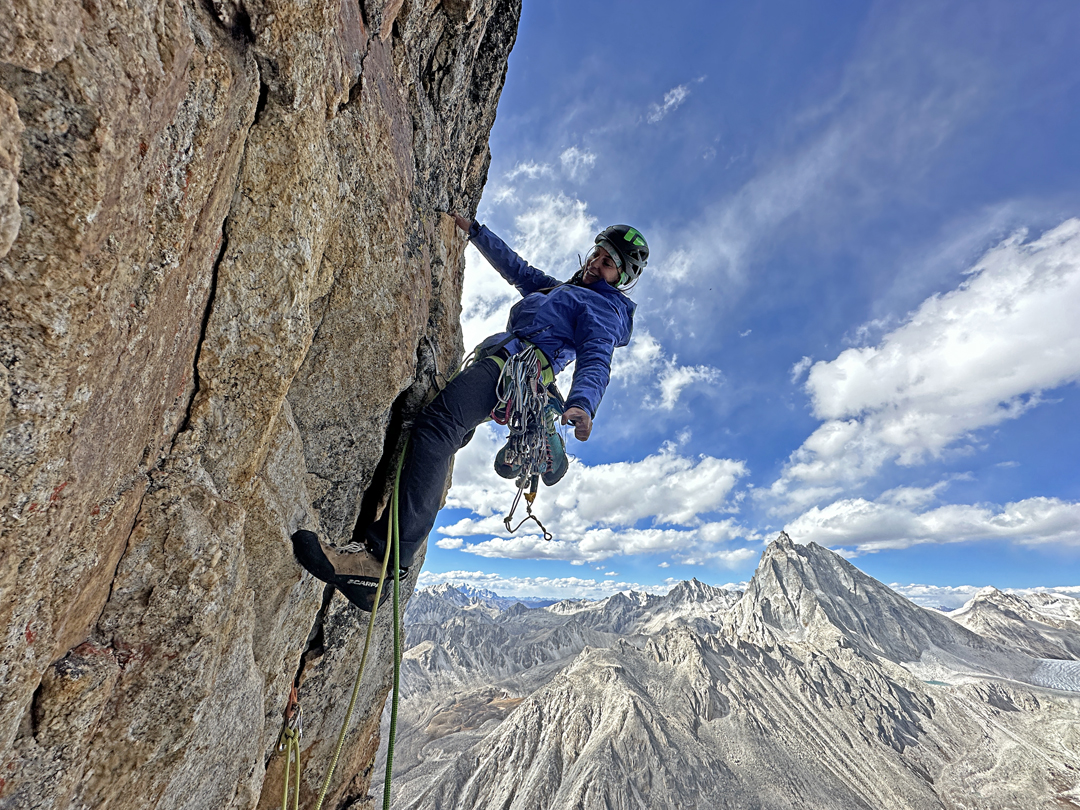
However, a rock peak of around 5,200 meters rising directly above camp provided an excellent warm-up. After a tedious approach over loose scree and unstable blocks, we climbed the north-northwest pillar, finding 300 vertical meters of climbing on mostly solid granite. These included three beautiful pitches of steep cracks and corners at V/V+. We completed the route in a day, calling it Spicy Little Fish. From the summit (approximately 29°51’43.14”N, 99°36’47.00”E), we were able to identify our next target, and we cached gear for it in the valley below.
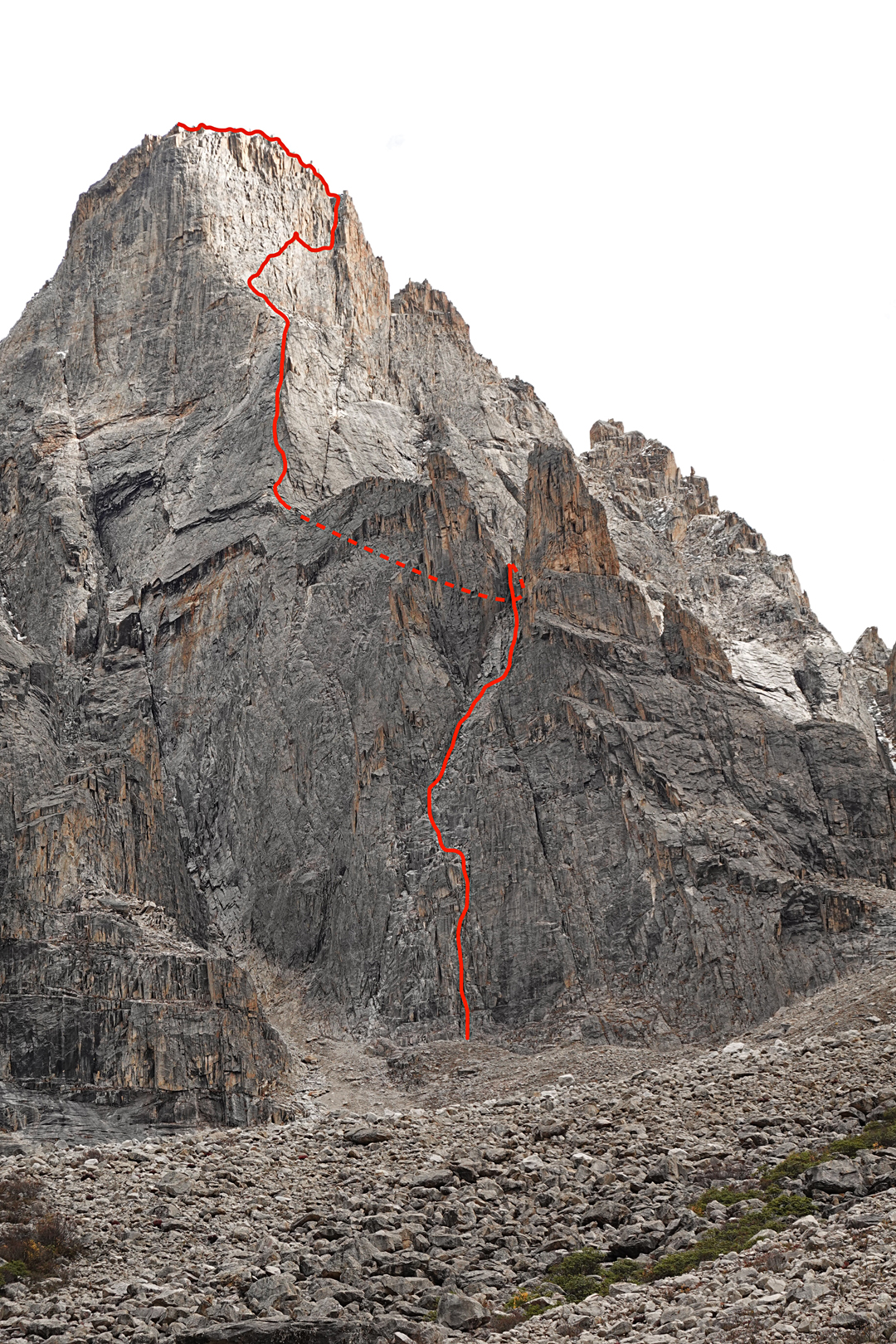
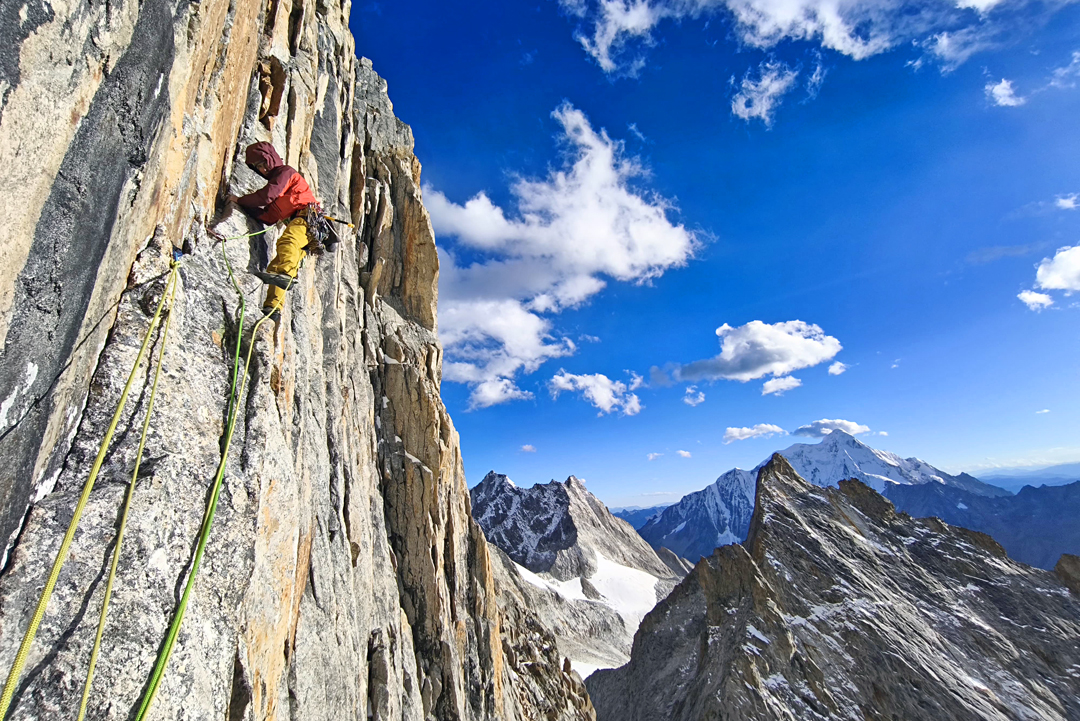
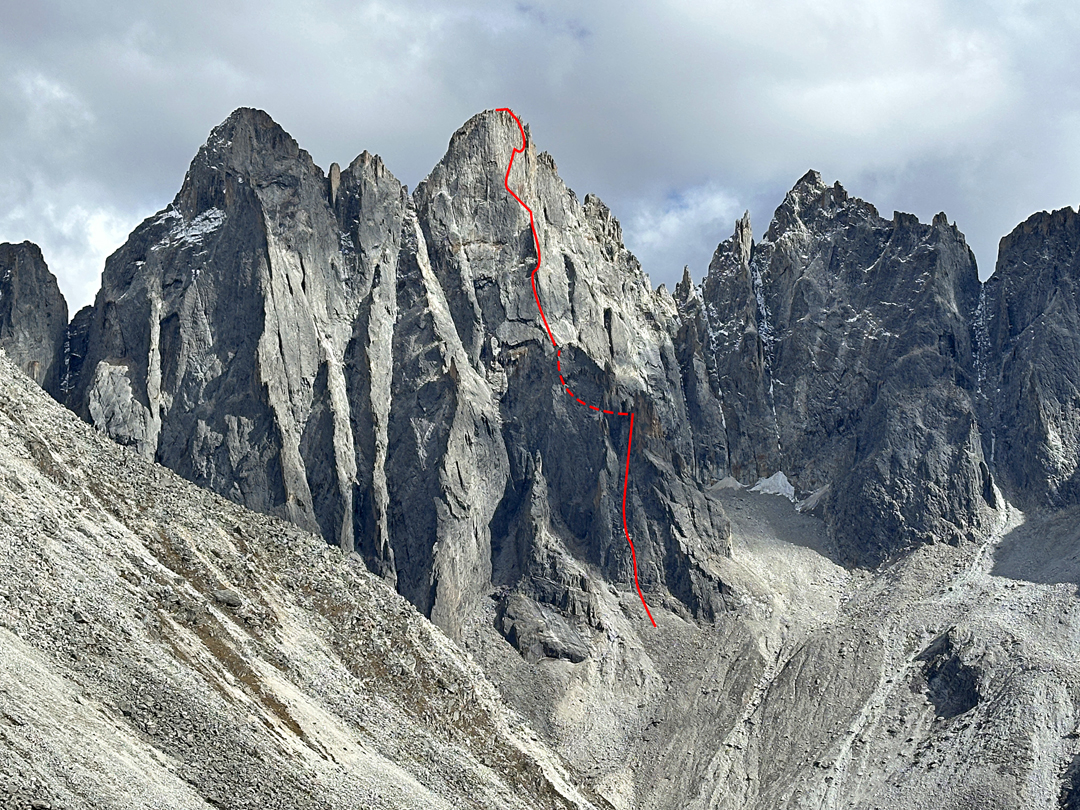
After a few days in base camp, we felt rested and properly acclimatized for something more serious. This was the west-southwest pillar of Peak 5,600m (29°52’09.26”N, 99°38’01.88”E). We bivouacked at its foot to allow for a faster start.
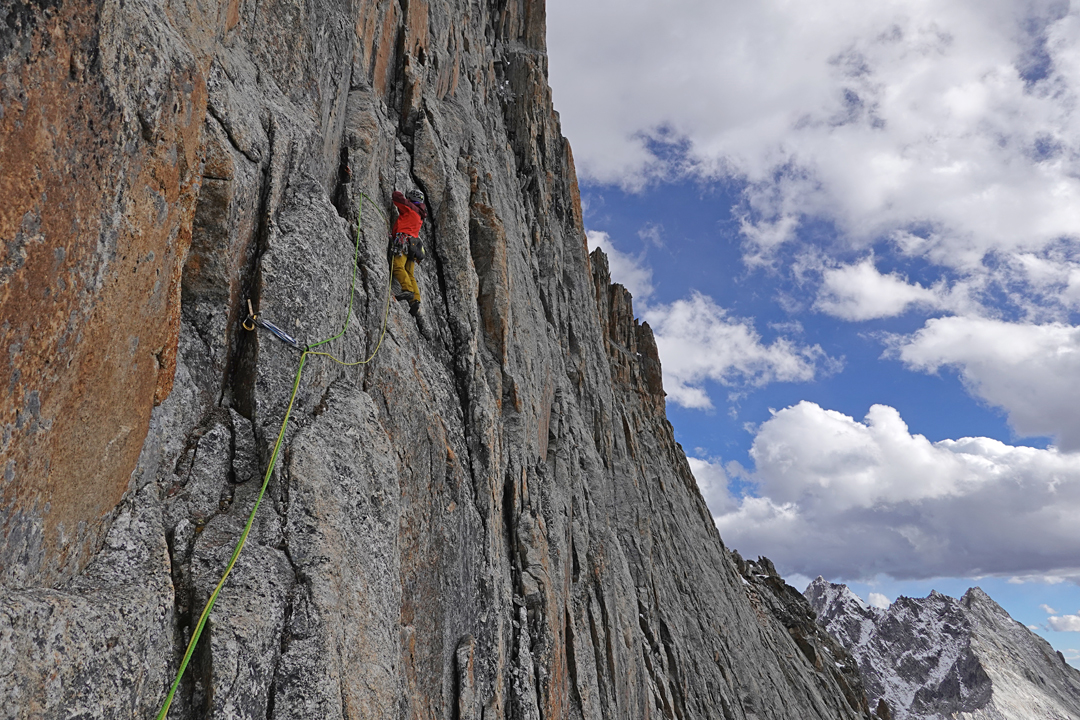
Although the difficulties on the pillar were never extreme, the face was cold and the climbing often delicate due to patches of snow over the rock. Progressing steadily, we opted to leave most of our minimal bivouac gear at around half-height, which allowed us to climb more efficiently until the terrain became complicated near the top. A steep section, without proper cracks for protection, slowed us down, and darkness caught us just below the summit. We engaged in some creative route-finding, a diagonal rappel, and a few short sections of aid before reaching the summit, relieved that we had not been forced to retreat so close to the top.
Full concentration was needed for the descent. We arrived at our bivouac gear at 3 a.m., crawled into a single sleeping bag, and waited for daylight. After a spartan breakfast, we descended all the way to base camp.
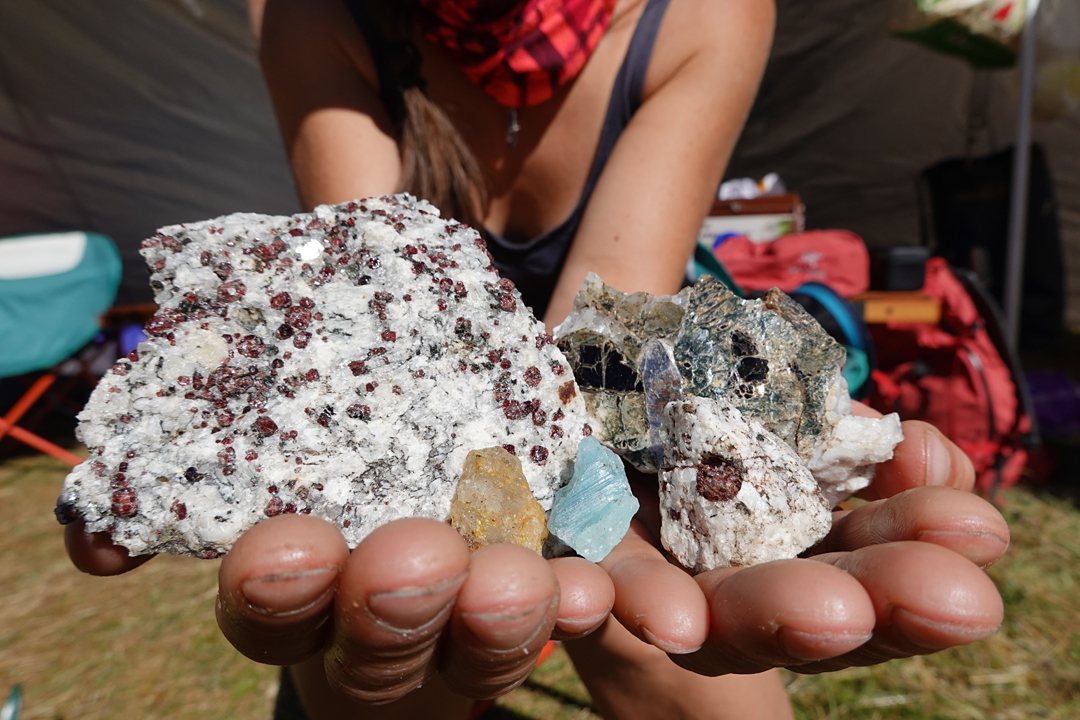
The route had given enjoyable climbing in a wild environment and was characterized by an abundance of crystals both below and on the wall. We therefore named the route Grad Kristalov (“Castle of Crystals,” 700m, VII A1).
—Luka Lindič, Slovenia
Media Gallery